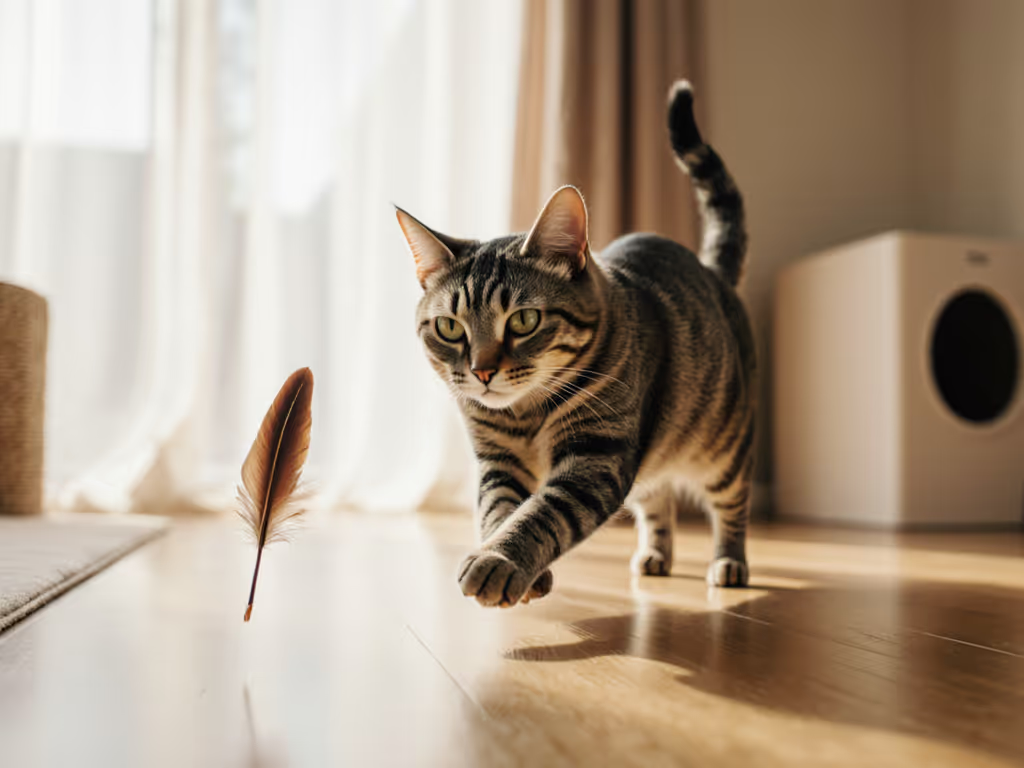
Minimalist Cat Enrichment: Quietly Effective Toys
By Diego Álvarez • 4th Dec
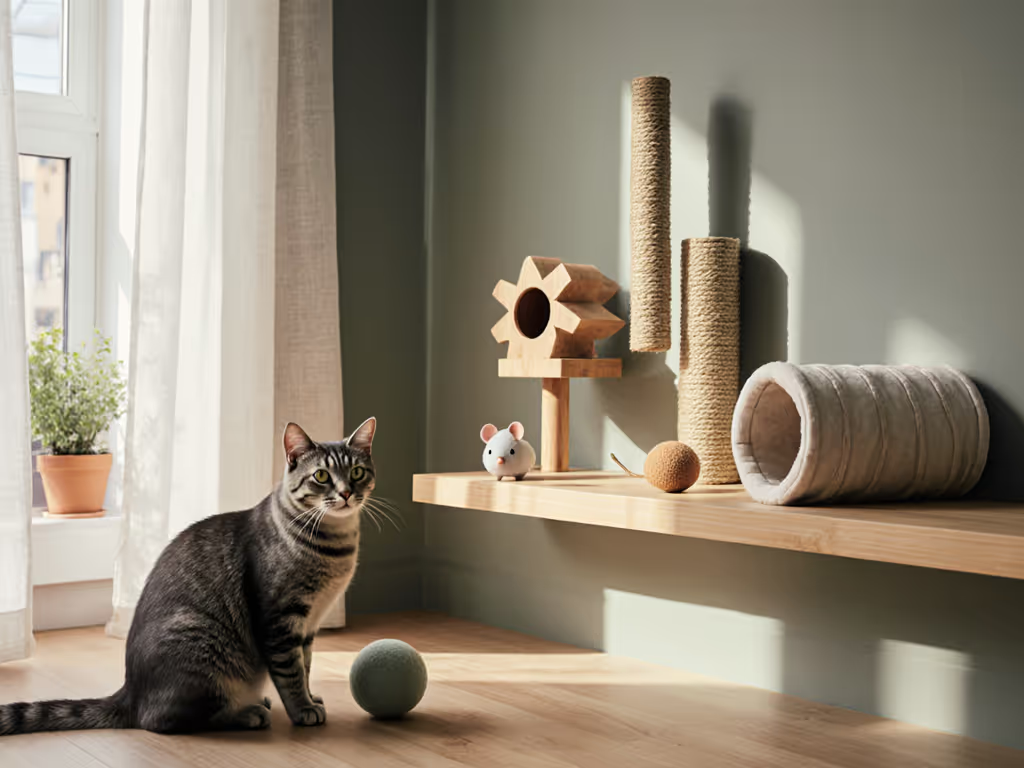
We've all faced the clutter of forgotten cat toys piling up in bins or under sofas. The search for the best cat enrichment shouldn't mean noise pollution or visual chaos (especially in small urban homes where every inch matters). After years of stress-testing solutions in tight quarters, I've learned that fewer, better objects create more play and less waste. When my light-sleeping newborn shared a one-bedroom with two energetic cats, trimming the toy bin to just five intentional pieces transformed our sanity. Durability beats noise every time.
Why "More Toys" Backfires in Small Spaces
That bargain bin of 30 jingle balls? Likely ignored within days. If you want low-noise alternatives that still roll and bounce, see our quiet cat ball picks. Research shows cats habituate to toys rapidly when novelty fades (especially when overwhelmed by choice). A recent industry survey found 70% of cats exhibit calmer behavior when enrichment aligns with their natural instincts, not human impulse buys. But here's what most guides miss: noise sensitivity amplifies the problem. Bells, crinkle materials, and motorized gadgets trigger overstimulation in cats and disrupt humans. For space-pressed guardians, this creates a vicious cycle:
- Sunk-cost frustration: Buying toys the cat ignores breeds guilt and clutter
- Compensatory over-purchasing: "Maybe this one will work!" leads to more visual noise
- Sleep disruption: Nighttime zoomies intensify when daytime play fails to satisfy prey drive
I tracked this firsthand. My pre-minimalist toy stash sat untouched after 48 hours, while my cats redirected boredom into counter-surfing and early-morning wake-ups. The fix wasn't more toys. It was fewer, quieter ones designed for longevity.
The Quiet Enrichment Framework: Three Budget-Aware Principles
Calm homes need toys that deliver engagement without chaos. These principles cut waste while honoring your cat's instincts:
Repair-first mindset over disposables
Skip flimsy plastic toys that shred in one session. Instead, prioritize modular designs where you replace parts, not the whole item. When my wand's ribbon frayed, I swapped it for $2 fabric scraps (not a $20 replacement). This isn't just frugal; it reduces waste. Look for:
- Replaceable feathers/ribbons on wands
- Machine-washable kickers (no stuffing leaks)
- Puzzle feeders with dishwasher-safe compartments
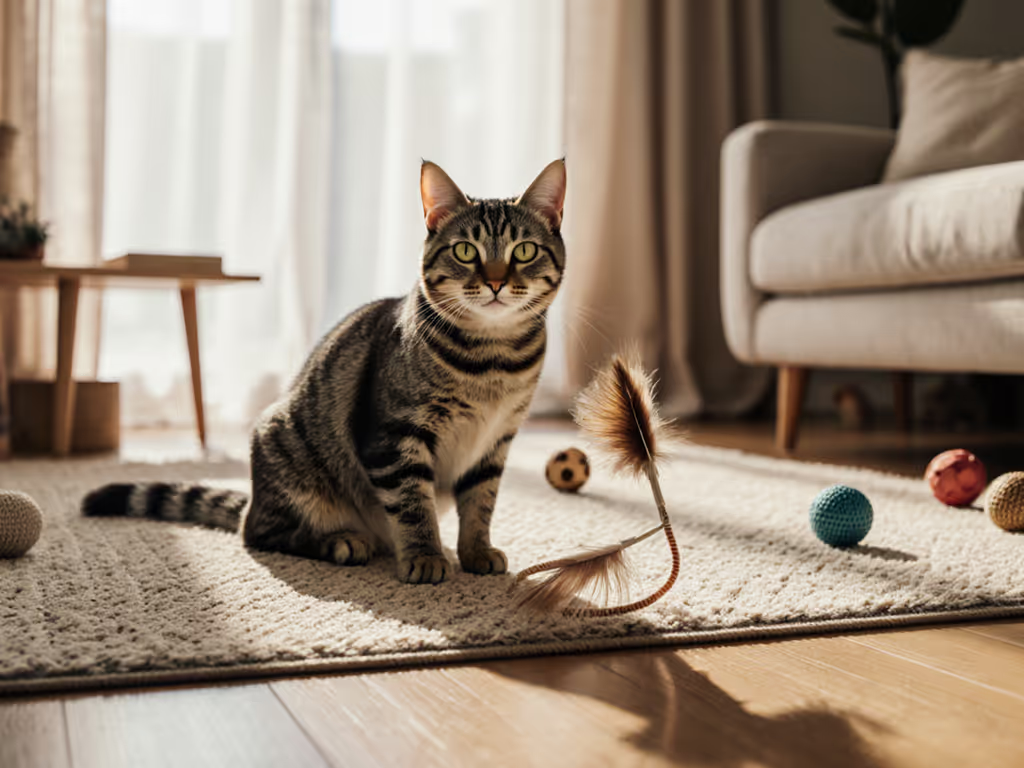
Take the Cat Dancer wand: its simple polycarbonate stick and fabric tail let you refresh play value for pennies. When the ribbon wears thin, snip it off and tie on new fabric. My cats still pounce on refashioned versions after 18 months.
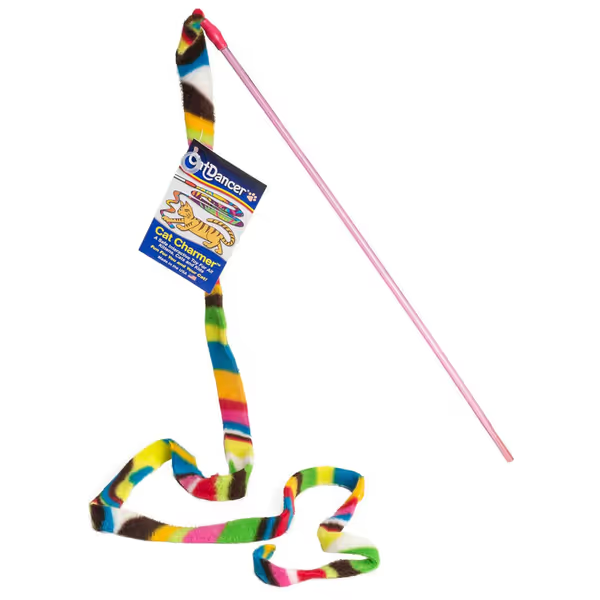
Cat Dancer Charmer Interactive Toy
Engages hunting instincts, prevents boredom, and strengthens your bond.
$7.29
Wand MaterialPolycarbonate
Wand MaterialPolycarbonate
Pros
Unleashes natural prey drive, boosting activity.
Durable design withstands enthusiastic play.
Cons
Ribbon length can be a bit long for small spaces.
Customers find this cat toy to be among the best they've used, noting that their pets love it and it keeps them entertained.
Customers find this cat toy to be among the best they've used, noting that their pets love it and it keeps them entertained.
Calm-home compatible noise levels
Bells agitate 68% of noise-sensitive cats according to veterinary behavior studies. Quiet doesn't mean ineffective.
Audit your current toys: Shake each near your ear. If it's audible from another room, it's too loud for shared living. Opt for:
- Silent textures: Felt fish, crinkle-free fabric
- Self-regulating play: Puzzle feeders where cats earn kibble quietly
- Controlled interaction: Wand toys you direct (avoiding relentless motorized motion)
A felt kicker with hidden catnip (like my DIY towel roll) gave deep pressure stimulation without disturbing baby naps. It's the single toy that survived my newborn experiment.
Multi-functional over single-use
Every item must earn its space. A "good cat toys" checklist:
- ✅ Doubles as storage (e.g., puzzle feeder holds kibble)
- ✅ Works for solo and interactive play
- ✅ Fits under furniture when not in use (<6" height)
Avoid specialty items like dedicated feather trees. Instead, choose one versatile wand that mimics birds and rodents when you change the attachments. This cuts clutter while covering prey-type variety.
The Five-Toy Rotation System
Forget endless bins. My budget-aware tracker proved five pieces prevent boredom without visual chaos. Here's how it works:
- Categorize by function:
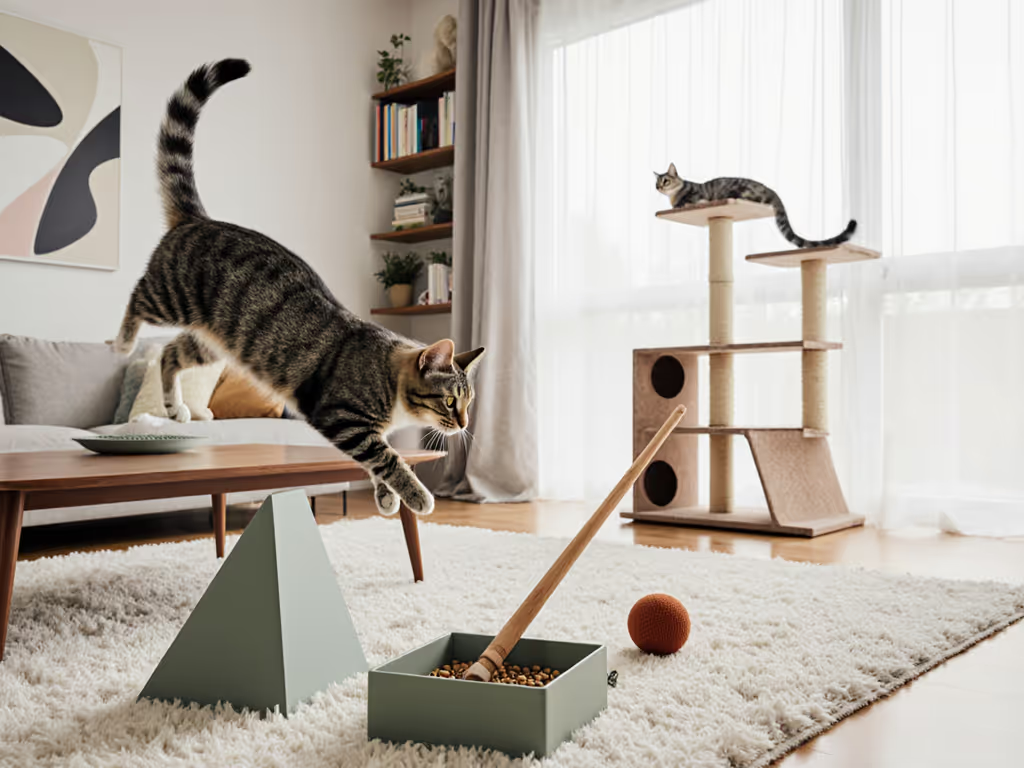
- 1 puzzle feeder (slow-eating kibble activity)
- 1 wand with replaceable parts (interactive hunting)
- 1 quiet kicker (independent play)
- 1 tunnel or wall shelf (vertical space)
- 1 "novelty" item (rotated monthly)
-
Rotate every 72 hours: Store four toys completely out of sight. Swap one daily. Research confirms this recreates "newness" by resetting habituation. For a step-by-step schedule and tracking template, see our toy rotation guide. My cats still attack a 2-year-old felt mouse like it's fresh because it disappears for days.
-
Track engagement: Note play duration and intensity. If a toy gets <5 minutes of daily use after three rotations, retire it. I replaced noisy balls with a silent felt log (usage jumped from 2 to 18 minutes daily).
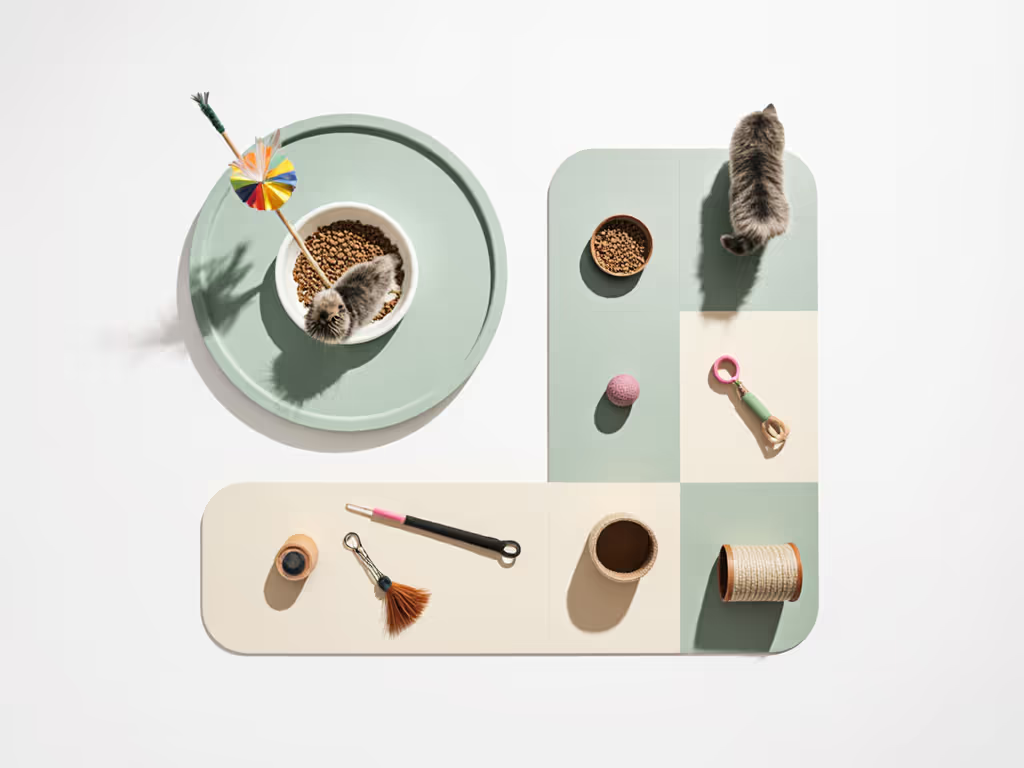
Your First Quiet Kit: Actionable Next Steps
Start small. Tomorrow, implement these zero-cost moves:
-
Purge noisemakers: Remove all jingle balls, crinkle tunnels, and motorized toys. Donate intact ones; discard shredded pieces.
-
Test replaceability: Pick one wand toy. Can you swap its attachments? If not, set it aside. My repair-first shift cut annual toy spending from $120 to $22.
-
Create a puzzle feeder: Repurpose a muffin tin. Place kibble in every other cup, cover some with rolled paper. Instant quiet enrichment. For skill-level matching and quieter designs, compare our best cat puzzle feeders.
-
Try one silent kicker: Roll an old t-shirt into a sausage, secure with rubber bands. Most cats engage 10+ minutes daily with this no-cost solution.
Focus on minimalist cat play that respects your space constraints. A quiet felt fish becomes infinitely more valuable when you can refresh its tail fabric. A puzzle board stays engaging because it's not competing with 20 other options.
The Quiet Payoff
Six months into this system, my cats sleep through the night. Counter-surfing vanished. Our living room feels like our home (not a pet store aisle). Most importantly, play sessions now feel purposeful rather than frantic. By choosing fewer, better pieces, we honored their instincts and our need for calm.
Your next step: Audit one toy bin tonight. Remove every noisy item. Keep only pieces that pass the "repair test" (can you fix/refresh it?) and "quiet test" (inaudible from 10 feet?). Notice how quickly your cat re-engages with the simplified selection. Buy once, play often (it is the only math that adds up for tired humans and fulfilled cats).
Related Articles