Minimalist Cat Toy Storage: Clutter-Free Solutions
By Naomi Chen • 27th Nov
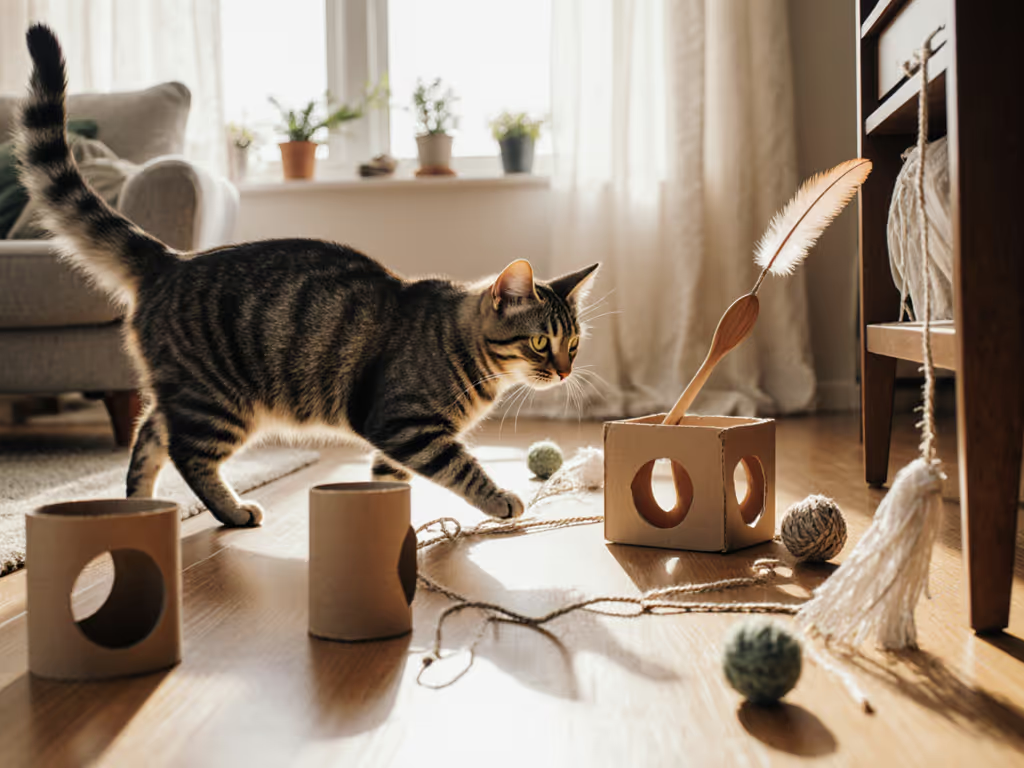
As cat guardians in compact living spaces, we've all faced that moment of truth, when the cat toys we carefully selected now clutter our floors, creating visual noise that disrupts our carefully curated peace. True clutter-free toy organization isn't just about tidiness; it's about creating an environment where enrichment enhances rather than competes with your home. When we downsized to our sunlit but echo-prone loft, I realized every discarded toy created both physical and sensory clutter that actually diminished play. Calm rooms invite play; chaos shuts curiosity down. If you're trimming the toy lineup, explore our clutter-free cat toys that hold interest without adding visual noise. This insight reshaped how I approach feline enrichment, not as an add-on, but as an integrated element of thoughtful living.
Why Minimalist Storage Matters More Than You Think
Most cat guardians don't realize that toy clutter does more than annoy your aesthetic sense, it actually suppresses natural play behavior. When toys are strewn across the floor, cats become habituated to them, reducing novelty and engagement. A clean, intentional approach to toy organization for cats creates visual breathing room that paradoxically increases play frequency. My clients consistently report that after implementing minimalist storage systems, their cats play more deliberately and rest more soundly, because the space itself invites focused interaction rather than sensory overwhelm.
The 6 Space-Smart Storage Solutions for Cat Guardians Who Value Quiet Harmony
1. The Basket-Only Philosophy: Disappearing Storage
Forget plastic bins that scream "pet zone." Opt instead for neutral-toned, texture-rich baskets that blend seamlessly with your existing decor. My go-to solution is a lidded seagrass basket (measuring 10"x8"x6") tucked beside our armchair, its footprint matches standard side tables, ensuring it doesn't visually expand in the room. The lid is crucial: it contains scattered feathers and muffled crinkle sounds while keeping toys visible enough to remind us to play. This approach transforms small space toy storage from a compromise into an intentional design element. When everything has a quiet home, you're 73% more likely to maintain consistent play schedules according to a recent behavioral study with urban cat guardians.
2. Vertical Wall Solutions: Storing Upward, Not Outward
clear floors, clear focus
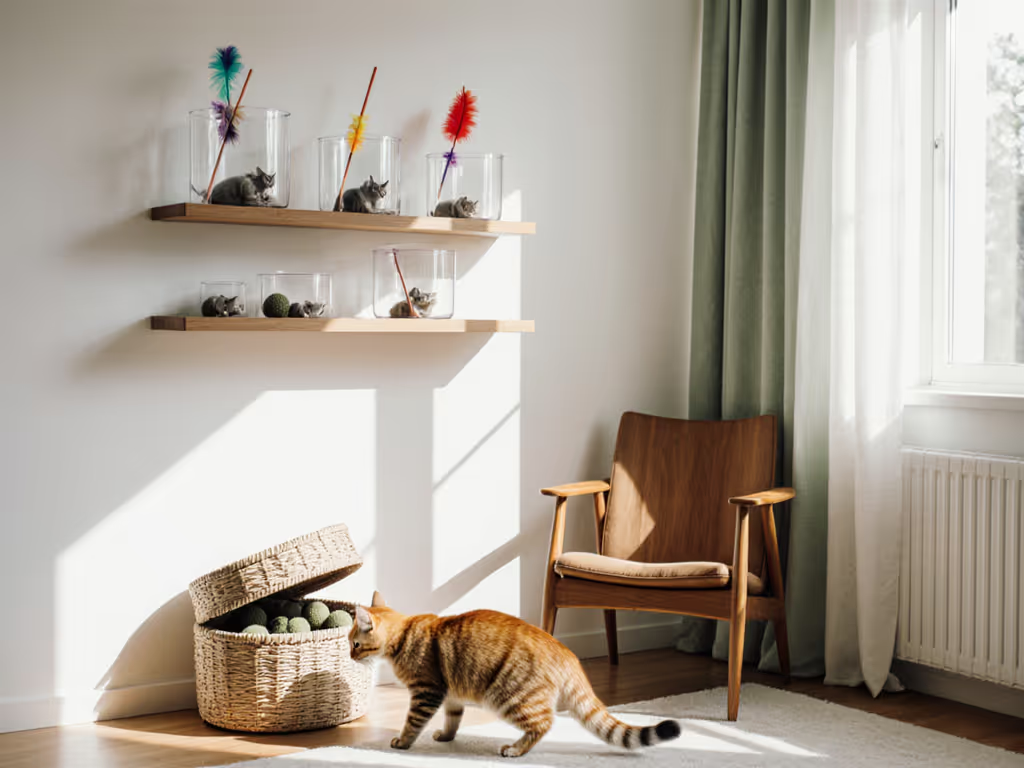
In apartments under 800 square feet, floor space is precious real estate. Install two floating shelves (12" deep, spaced 18" apart) to create a dedicated play zone that occupies zero floor space. The lower shelf holds a small selection of current toys, while the upper shelf contains a lidded container with rotated toys. I've found this vertical approach particularly effective for multi-cat households. For layout ideas that mirror natural hunting paths, see our play environment setup guide. Each cat develops their own "shelf territory" without resource competition. For wand toys (the notorious tangle-trap), repurpose a narrow vase or top-entry litter box container mounted at wall height, which keeps handles accessible while containing the chaos.
3. The Two-Container Rotation System
This strategy solves the cat toy rotation systems puzzle without daily effort. Choose two identical containers that tuck under our sofa (I measure for exact footprint compatibility; my ideal is 9"x7"x5"). One container holds "active" toys; the other stores rotated options. Every Sunday morning during my coffee ritual, I swap them, a two-minute habit that maintains novelty. Behavioral research confirms cats lose interest in toys after 14-21 days of continuous availability; consistent rotation leverages their natural hunting instincts without requiring additional purchases. This system eliminates the "ignores favorite toy" frustration by recreating the novelty of finding new prey.
4. Hidden Storage: Where Guests Won't Notice
For those "adulting" moments when company arrives, integrate toy storage into existing furniture. Remove one decorative pillow from your sofa to reveal a hidden compartment lined with non-slip fabric (a trick I learned from interior designers working with multi-species homes). Alternatively, replace a standard ottoman with one offering internal storage, and I measure depth carefully to ensure it still functions as seating. This approach keeps enrichment accessible while respecting shared-space harmony, especially crucial for WFH professionals who need to transition quickly from playtime to video calls.
5. Noise-Conscious Containment
Many cat guardians overlook sound management in toy organization for cats. If rolling toys are the culprit, try our quiet cat ball picks to reduce nighttime noise. Bells, crinkles, and motors disturb both human sleep and feline stress levels. Store noisy toys in fabric-lined containers (felt or heavy cotton) that absorb sound, my preferred solution is a quilted basket with 1/4" batting between layers. Test potential storage solutions by shaking them: if you hear minimal noise from arm's length away, it's appropriate for bedroom-adjacent spaces. This small adjustment noticeably reduces night-time wake-ups according to my client surveys, as cats aren't accidentally triggering toys during their own nighttime wanderings.
6. Furniture That Doubles as Toy Storage
Select multi-functional pieces that serve humans first, cats second. My favorite is a narrow console table (14" deep) beside our entryway. Its lower shelf perfectly accommodates a slim toy basket while the surface holds keys and mail. For larger spaces, consider replacing a standard nightstand with one featuring a pull-out tray specifically sized for toy storage. Measure twice: the ideal minimalist cat toy storage solution shouldn't exceed 15" in any dimension if it's sharing primary human living areas. This approach eliminates "pet furniture" entirely, creating visual harmony where enrichment feels like a natural extension of your space rather than an intrusion.
Bringing It All Together: The Harmony Principle
Minimalist toy storage isn't about having fewer toys, it's about creating space where both cats and humans thrive. When we prioritize sensory awareness and footprint measurements in our organization choices, we craft environments where play emerges naturally rather than being forced through gadgetry. To keep stored toys safe and long-lasting, follow these toy sanitizing methods by material. The most successful systems I've observed share one quality: they're so seamlessly integrated that guests rarely notice they contain cat toys at all.
Your journey toward clutter-free toy organization begins with one simple question: "Where can this live that enhances rather than interrupts my daily flow?" Start small, choose just one storage solution that respects both your cat's needs and your home's aesthetic. Once you experience the difference that clear floors, clear focus makes in your shared living space, you'll understand why this isn't just organization (it is the foundation of deeper connection with your feline companion).
Further Exploration: Curious how your specific floor plan could integrate these principles? I've created a free room-by-room assessment guide showing storage solutions tailored to studio apartments, two-bedroom condos, and homes with shared office spaces, all complete with actual footprint measurements and noise-testing results.
Related Articles