Catnip Alternatives Comparison: Silver Vine 80% Response Rate
By Mira Patel • 7th Nov
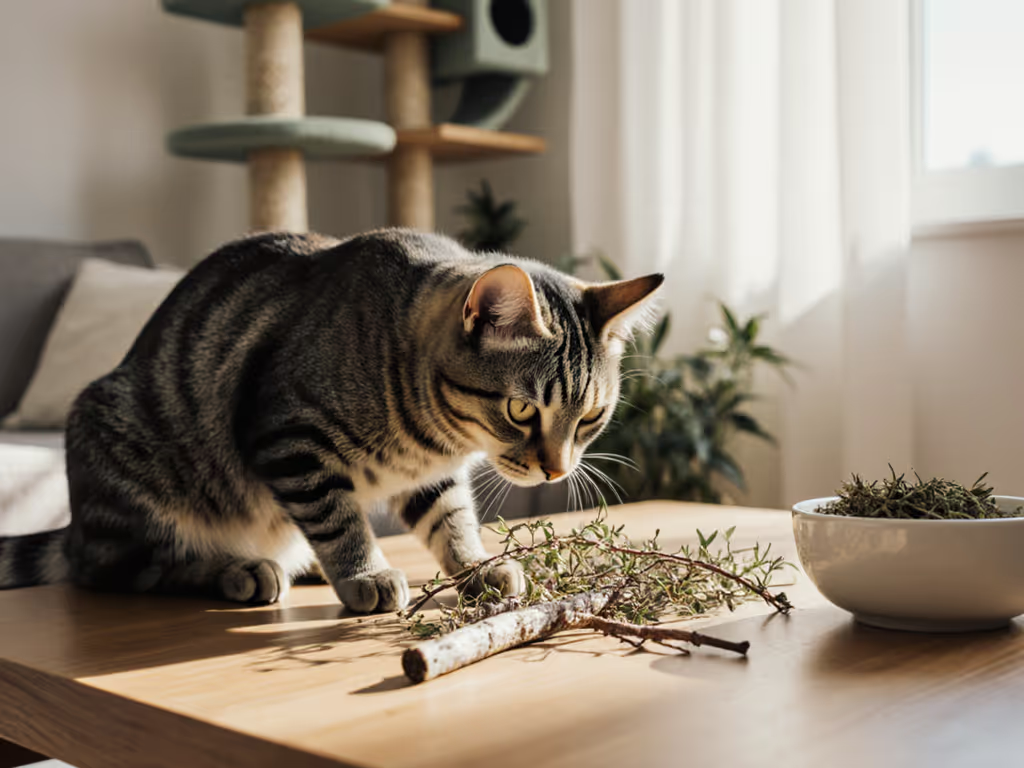
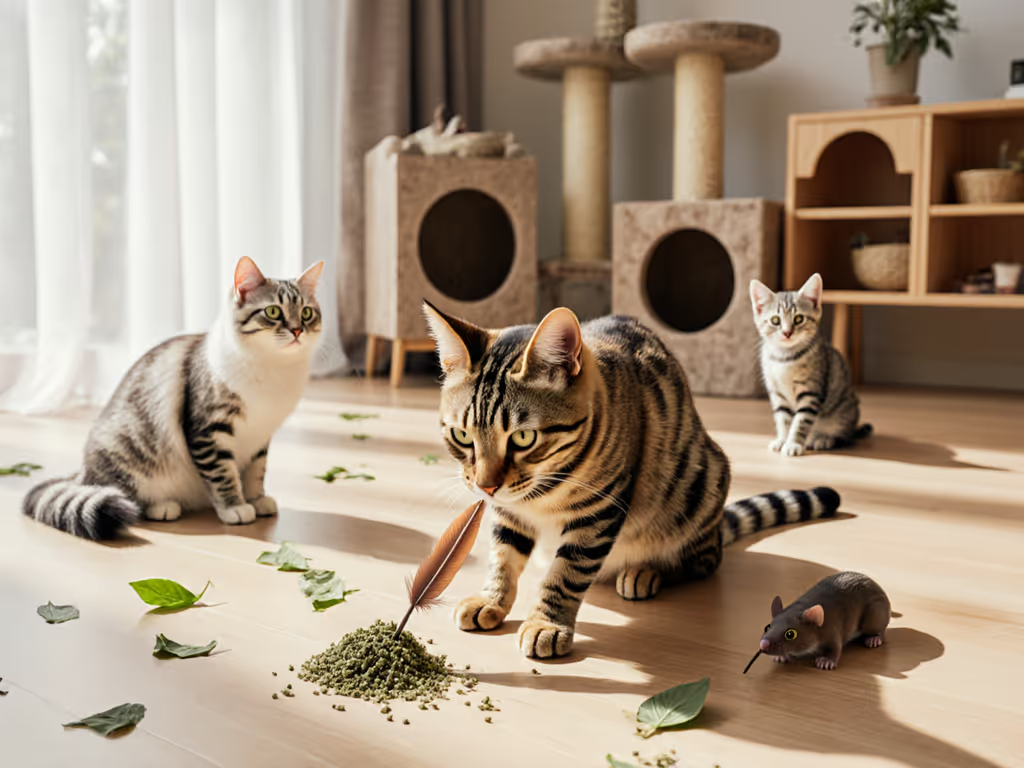
For the 30% of cats unaffected by catnip, evidence reveals superior alternatives exist. Scientific comparison shows silver vine (Actinidia polygama) elicits responses in 80% of felines, outpacing catnip's 70% effectiveness and other alternatives like valerian root (47%) or Tatarian honeysuckle (53%)[1][3]. This analysis quantifies attraction potency, safety profiles, and practical applications for non-responding cats.
Silver Vine: Highest Response Rate Confirmed
Chemical advantage: Silver vine contains six active compounds, including actinidine and dihydroactinidiolide, creating broader neurochemical engagement than catnip's single-compound nepetalactone[4][5]. This multi-target approach explains its 79-80% efficacy in controlled studies[2][3].
Behavioral impact: Felines exposed to silver vine exhibit 20-30% longer play duration than with catnip, with observable stress reduction and increased exploratory behavior[4]. The fruit galls (abnormal growths on vines) deliver peak concentration, though supervision prevents ingestion risks[1].
Comparative Efficacy Across Alternatives
| Stimulant | Response Rate | Active Compounds | Duration | Safety Notes |
|---|---|---|---|---|
| Silver vine | 80% | Actinidine + 5 others | 15-20 min | Supervise gall fruit use[1] |
| Catnip | 70% | Nepetalactone | 10-15 min | Safe for all ages[5] |
| Tatarian honeysuckle | 53% | Actinidine | 8-12 min | Wood splinter risk; use in toys[1] |
| Valerian root | 47% | Valerenic acid | 5-10 min | Calming effect; monitor lethargy[3] |
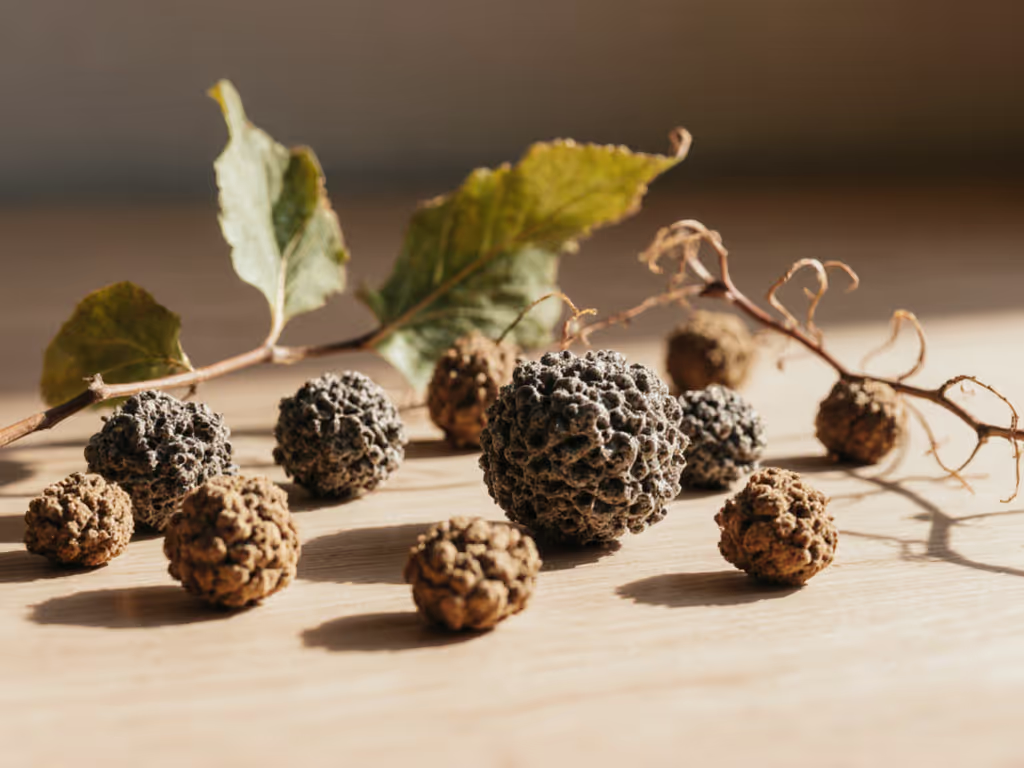
Gall fruits (silver vine's swollen fruit nodules) provide maximum potency. If you want fresh, sustainable options, compare silver vine planters that grow refillable enrichment at home. In product form, they balance engagement and safety:
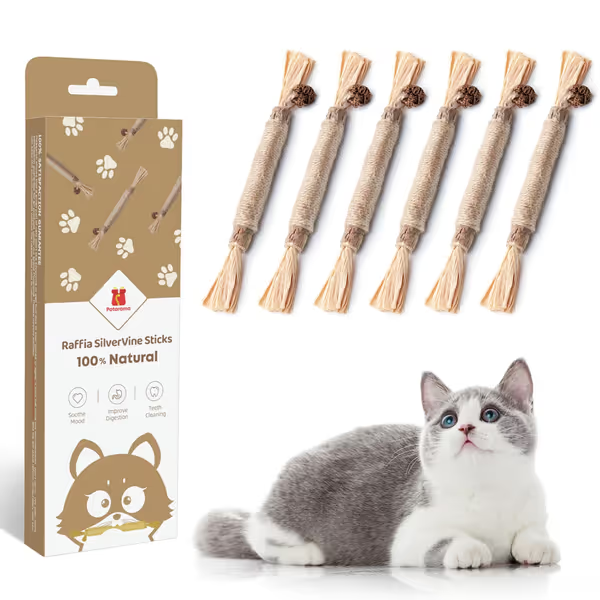
Potaroma Silvervine Cat Sticks
Natural dental chew stimulating playful activity and stress relief.
$11.98
Material:100% natural silvervine, raffia, sisal, gall fruit
Material:100% natural silvervine, raffia, sisal, gall fruit
Pros
Promotes dental health & fresh breath
Naturally relieves stress & encourages exercise
Cons
Durability can be inconsistent for some cats
Well-made, cleans teeth, and entertaining for some cats, though durability and interest vary.
Well-made, cleans teeth, and entertaining for some cats, though durability and interest vary.
Selecting Alternatives: Evidence-Backed Guidelines
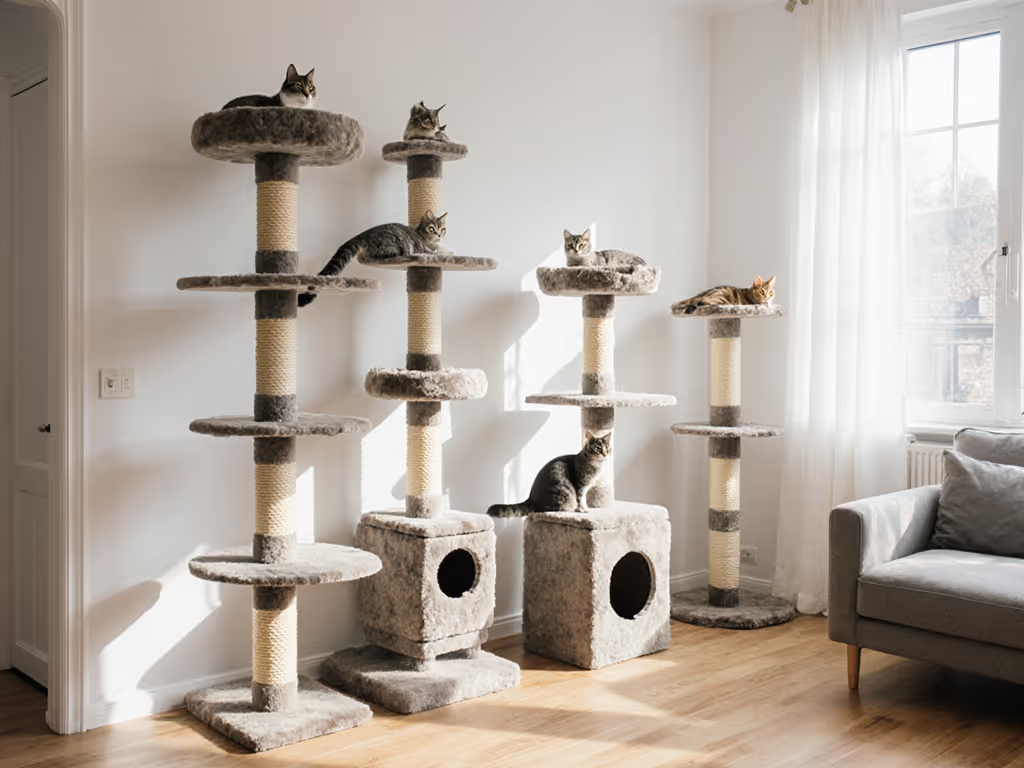
For non-responding cats: Silver vine covers 71% of catnip-resistant felines, while valerian or honeysuckle work for only 19-32%[2]. Rotate options monthly to sustain novelty. Use our toy rotation plan to structure weekly swaps without clutter.
Safety-first use:
- Avoid loose honeysuckle chips (inhalation risk)
- Limit valerian to 1-2 weekly sessions (prevents lethargy)
- Source organic silver vine to prevent pesticide exposure[4]
Multi-cat households: Silver vine's higher response rate minimizes "toy jealousy" in groups with mixed sensitivities[5].
Implementation Framework
- Test responsiveness: Offer each stimulant separately on a scratching post
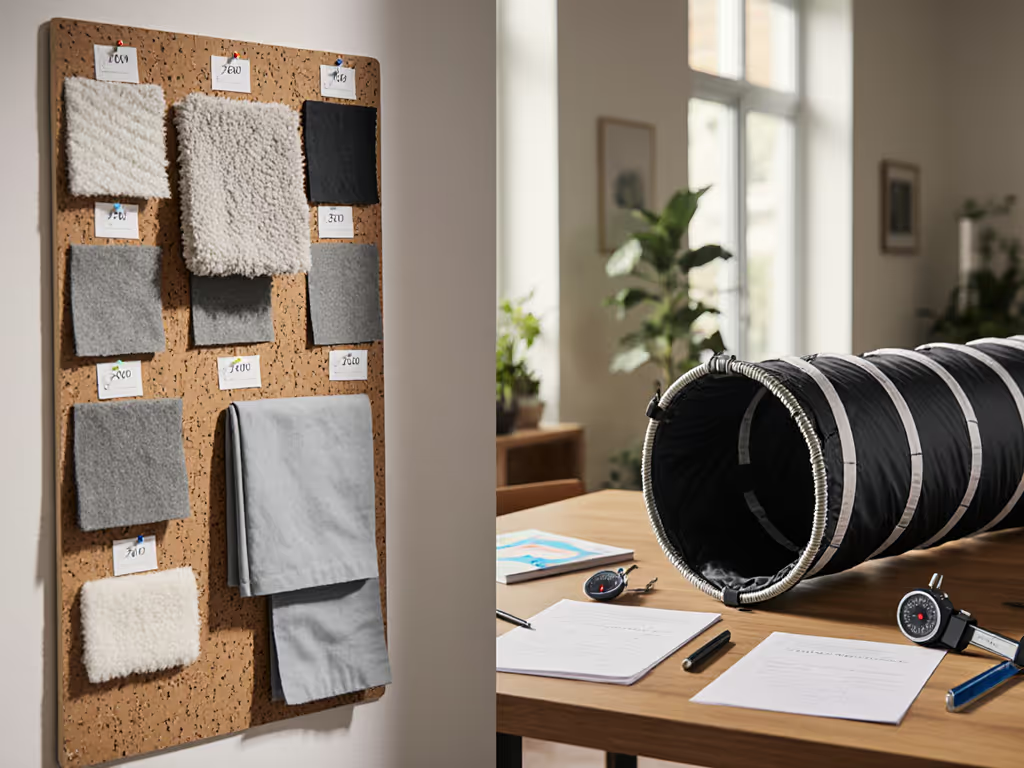
- Log engagement: Track duration, intensity (rubbing/rolling vs chewing), and post-play rest
- Match form to need:
- Powdered silver vine for scratchers
- Gall fruits for interactive play
- Valerian-infused pads for calming zones
- Rotate monthly: Prevents habituation; align rotations with prey-drive cycles
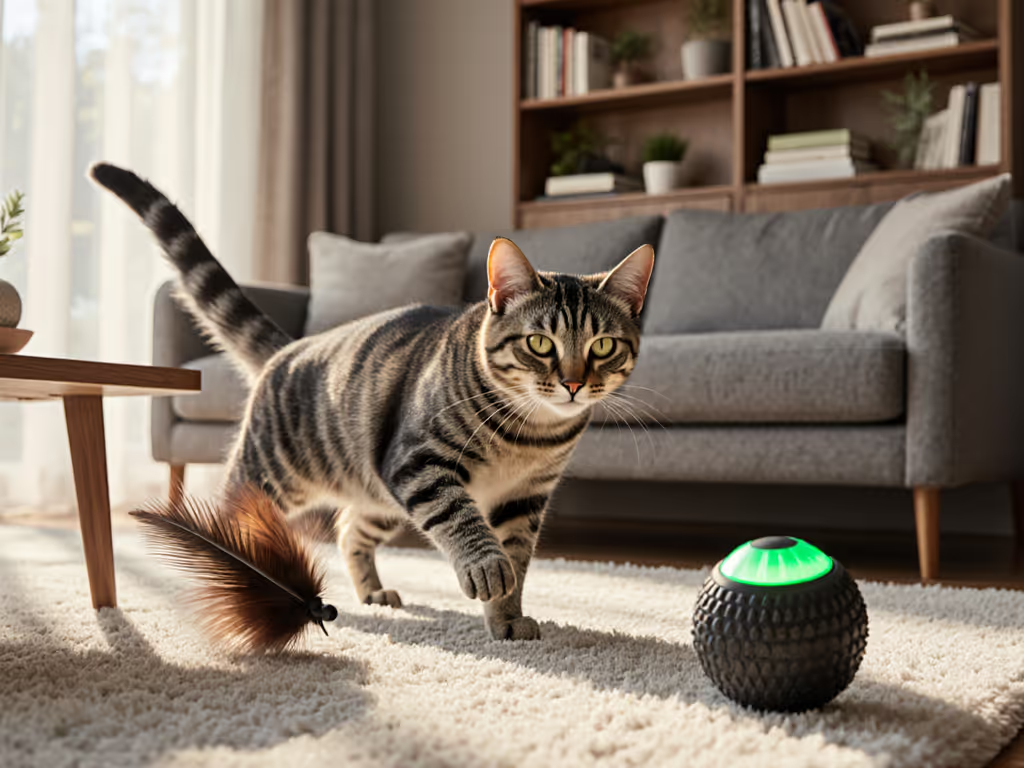
Silver vine's biochemical complexity makes it the statistically optimal choice, but individual variation matters. Measure your cat's engagement minutes, not marketing claims. For 19% of cats unresponsive to all options, puzzle feeders and feather wands may better trigger prey sequences. Track outcomes in a play journal to identify patterns: rotate, rest, reward.
Further exploration: Trial silver vine gall fruits alongside catnip blends to observe synergies. Document response intensity shifts over 30 days to refine your cat's enrichment map.
Related Articles