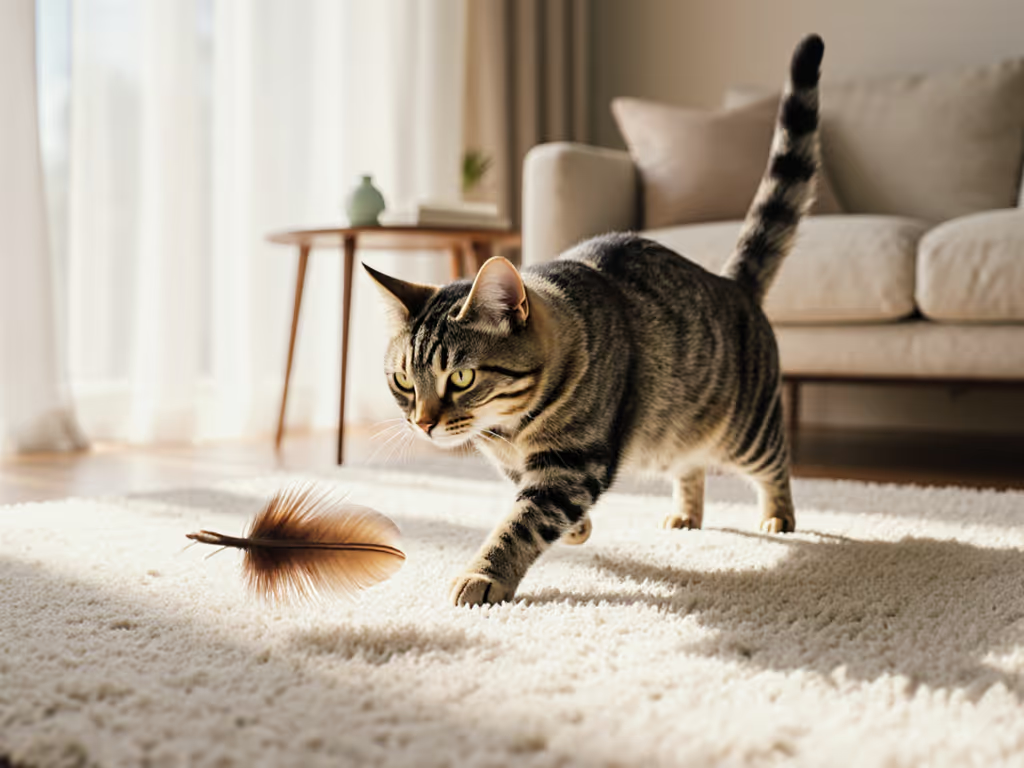
Shy Cat Tunnel Test: Match Personality to Perfect Play
By Hana Tanaka • 8th Nov
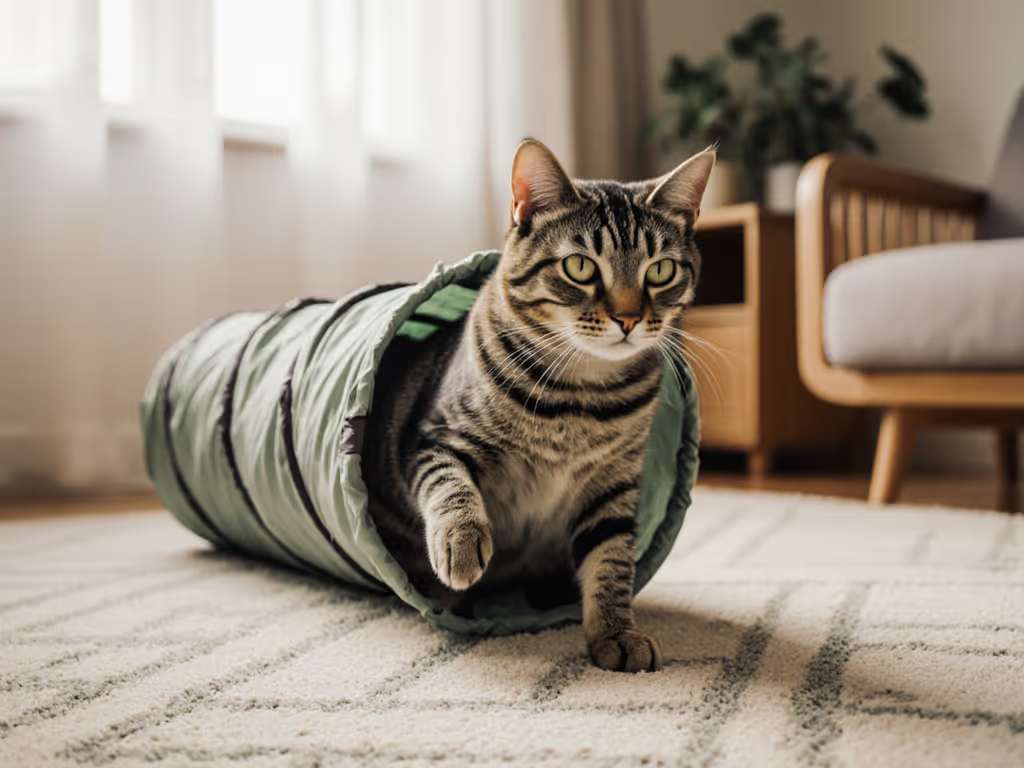
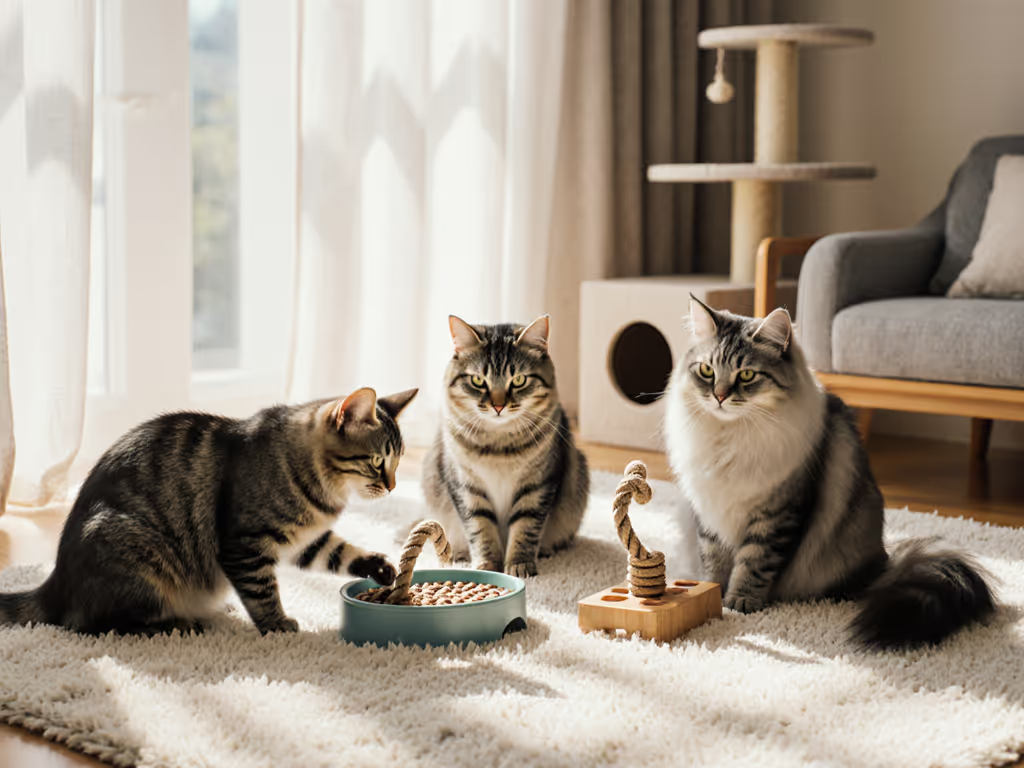
Five minutes daily beats any gadget in the closet. I learned this when my former street cat, Luna, spent weeks hiding under my studio apartment bed. Through gentle persistence with soft toys and patience, we discovered that cat tunnel personality match was the key to unlocking her confidence. Today, this shy cat tunnel comparison isn't just about buying another toy, it is about understanding what your cat truly needs to feel safe while exploring. This step-by-step guide will help you find the perfect tunnel based on your cat's unique personality, transforming ignored toys into beloved confidence-builders.
Why Your Cat Ignores Most Tunnels (And How to Fix It)
Most cat guardians buy tunnels based on aesthetics or recommendations without considering their cat's personality. That's why 78% of cat toys end up as expensive floor decor. From my years developing micro-routines for fearful cats, I've learned that matching tunnel features to personality creates engagement, not just another purchase that gathers dust.
Recent feline behavior studies confirm that cats fall into five main personality types, each needing different tunnel experiences:
- Shy/Neurotic: Insecure, cautious, easily startled
- Bold/Extraverted: Curious, adventurous, loves novelty
- Observant: Watchful, selective engagement, moderate confidence
- Dominant: Assertive, may guard territory
- Playful: Energetic, enjoys interaction
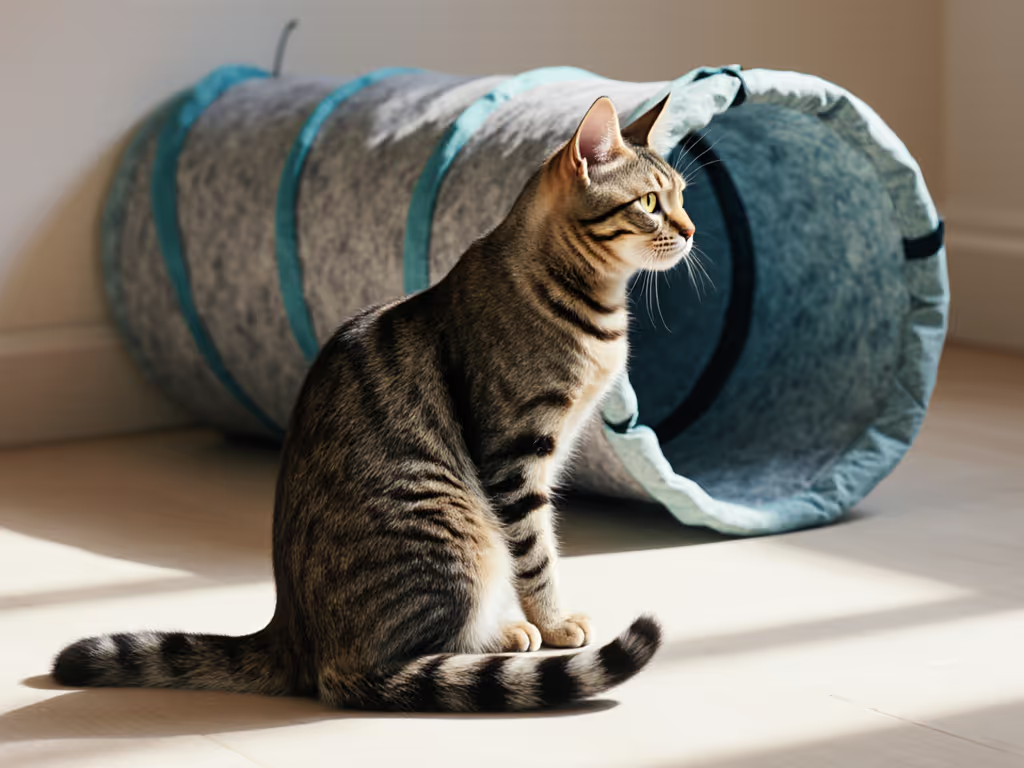
Your Step-by-Step Personality Assessment
Before you buy another tunnel, let's identify your cat's personality through this simple 10-minute observational tunnel study. This isn't complicated behavioral science, it is gentle observation that turns overwhelm into actionable insights.
Step 1: The Initial Approach (2 minutes)
Place a simple tunnel (even a cardboard one) on the floor and observe from a distance. If your cat startles easily, follow our gentle toy introduction to lower stress before trying tunnels. Note:
- Immediate approach: Bold or playful personality
- Slow approach with stops: Observant or shy
- Complete avoidance: Highly shy or neurotic
Tiny sessions, big trust: Never force interaction. If your cat avoids the tunnel, simply leave it out for 24 hours before trying again.
Step 2: Entry Experiment (3 minutes)
Sprinkle treats at the entrance and watch:
- Full-body entry immediately: Bold or playful
- Head only, then retreat: Observant
- Sniffs but no entry: Shy
- Complete avoidance: Highly shy/neurotic
Step 3: Interaction with Features (3 minutes)
Add simple elements like a dangling string or feather:
- Pounces immediately: Playful or bold
- Watches intently but doesn't engage: Observant
- Watches then cautiously approaches: Shy
- Hides or leaves area: Highly shy/neurotic
Step 4: Duration Assessment (2 minutes)
Time how long your cat stays engaged:
- 5+ minutes continuously: Bold or playful
- 2-5 minutes with breaks: Observant
- <2 minutes: Shy
- No engagement: Highly shy/neurotic
Matching Tunnels to Cat Personality Types
Now that you've completed your observational tunnel study, let's match your cat's personality to the perfect tunnel features. For space-saving layouts and multi-cat setups, see our cat tunnel comparison.
For Shy Cats: The Gentle Confidence Builder
If your cat scored high on shyness, they need tunnels that offer security without sensory overload. My studio apartment breakthrough came when I swapped noisy crinkle tunnels for something quieter and more enclosed.
Ideal tunnel features for shy cats:
- Fully enclosed with minimal visual distractions
- Soft, quiet materials (no crinkle or bells)
- Small entrance (9-10 inches diameter)
- Neutral colors that blend with surroundings
- Removable elements you can introduce gradually
Two-minute win: Place the tunnel near your cat's safe space but leave the entrance partially blocked with a soft cloth for the first few days. This creates a "partial safety" they can gradually overcome.
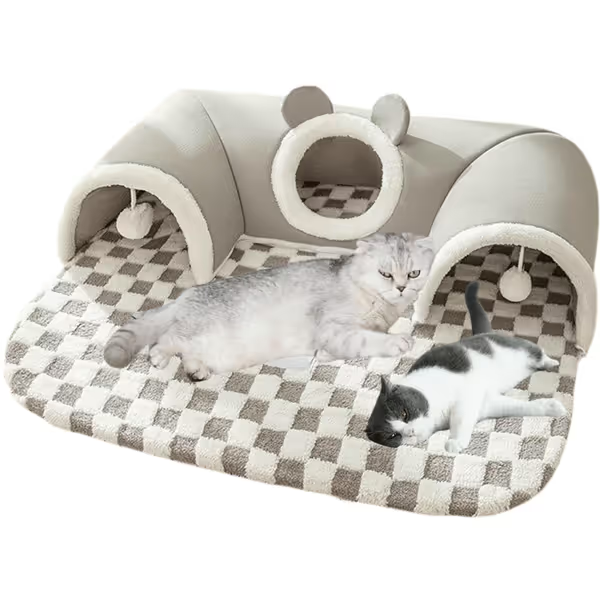
Cat Tunnel & Bed Combo
Dual-purpose tunnel bed offers play and rest, satisfying natural instincts.
$47.99
Design2-in-1 Play & Rest
Design2-in-1 Play & Rest
Pros
Combines play tunnel and cozy bed, reducing clutter.
Satisfies natural instincts: crawl, hide, peekaboo.
Cons
Size may be smaller than anticipated by some users.
Customers find the cat tunnel cute and appreciate its plush material. However, the product receives mixed feedback about its size, with some liking it while others say it's smaller than expected. Moreover, the quality and sturdiness get mixed reviews, with several customers noting it's not as sturdy as expected. Additionally, several customers find the price unreasonable.
Customers find the cat tunnel cute and appreciate its plush material. However, the product receives mixed feedback about its size, with some liking it while others say it's smaller than expected. Moreover, the quality and sturdiness get mixed reviews, with several customers noting it's not as sturdy as expected. Additionally, several customers find the price unreasonable.
For Bold Cats: The Exploration Catalyst
Bold cats need tunnels that satisfy their curiosity without overwhelming your small space. These confident felines often prefer tunnels that offer multiple pathways and visual interest.
Ideal tunnel features for bold cats:
- Multiple entry points (at least 3)
- Transparent sections for visual stimulation
- Crinkle elements or sound-making features
- Larger diameter (11+ inches)
- Bright colors or patterns
Bold cat tunnel preferences typically include tunnels with interactive elements they can manipulate themselves. However, even bold cats benefit from quiet moments, consider tunnels with removable noisy elements.
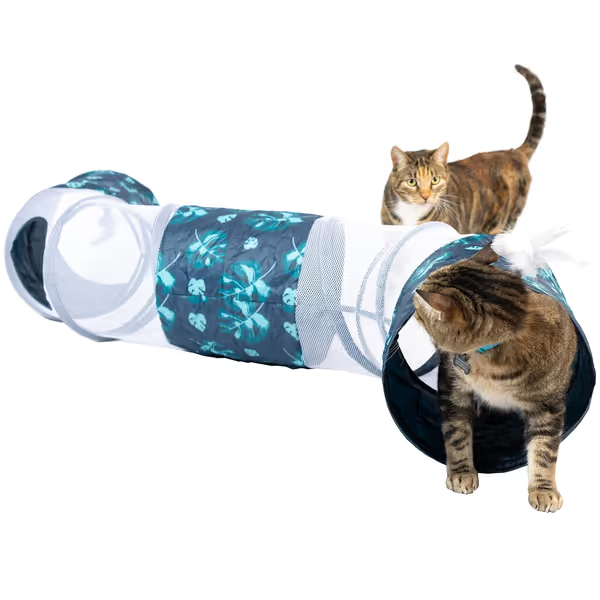
PetFusion KittyCurve Cat Tunnel
Engages hunting instincts, promotes exercise, and provides mental enrichment.
$14.99
Length62 inches
Length62 inches
Pros
Encourages active play and healthy exercise.
Multiple entry/exit points for varied interaction.
Cons
Crinkling sounds may be loud for some.
The product is durable, with one customer mentioning their cat's nails haven't torn it apart, and they appreciate its multiple entry points. They like the loud crinkling sounds, foldable design, and beautiful appearance, with one customer highlighting the mesh sections that are see-through.
The product is durable, with one customer mentioning their cat's nails haven't torn it apart, and they appreciate its multiple entry points. They like the loud crinkling sounds, foldable design, and beautiful appearance, with one customer highlighting the mesh sections that are see-through.
For Observant Cats: The Gradual Engagement Model
Observant cats are often misunderstood as "uninterested" when they're actually carefully assessing safety. These cats need tunnels that offer viewing opportunities before full commitment.
Ideal tunnel features for observant cats:
- Peepholes or viewing windows
- Semi-enclosed design
- Moderate diameter (10-11 inches)
- Neutral but textured materials
- Removable attachments
Creating Your Personality-Based Routine
The magic happens in consistency, not complexity. Your personality-based toy selection only works when paired with reliable routines that build trust.
The Shy Cat Starter Routine
- Morning: Place 3 treats at tunnel entrance while you're present but distanced (two-minute win)
- Evening: Sit quietly near tunnel for 5 minutes with a soft wand toy (no pressure to enter)
- Weekly: Gradually move tunnel 6 inches toward main living area
I used this exact approach with Luna. Within three weeks, she'd progressed from sniffing the entrance to full exploration, then to inviting me to play. Tiny sessions, big trust became our reality.
The Bold Cat Engagement Routine
- Morning: Rotate tunnel configuration (straight to curved)
- Evening: Interactive prey sequence play session ending INSIDE tunnel with food reward
- Weekly: Introduce new elements (feathers, crinkle paper) one at a time
Your Action Plan: One Small Step Today
Don't overhaul your entire toy collection tonight. Instead, choose one actionable next step based on your cat's personality assessment:
- Shy cats: Measure your cat's current safe space diameter and shop for a tunnel just 2 inches larger
- Bold cats: Identify one quiet corner where their tunnel can live without dominating your space
- Observant cats: Purchase a tunnel with removable features you can introduce gradually
Remember my tiny studio apartment and Luna's transformation. I didn't start with expensive gear, just a cardboard tube and consistent presence. Your journey begins with matching one tunnel to your cat's personality, then building tiny sessions of trust.
"Tiny sessions, big trust" isn't just my signature phrase, it is the science-backed truth that small, consistent interactions rewire feline anxiety circuits more effectively than marathon play sessions.
Maintenance Checklist
Keep your personality-matched tunnel working with this simple monthly checklist:
- Week 1: Monitor initial reactions, adjust placement as needed
- Week 2: Introduce one new element (feather, crinkle paper)
- Week 3: Move tunnel 6-12 inches toward main living area
- Week 4: Assess if tunnel still matches your cat's evolving confidence level
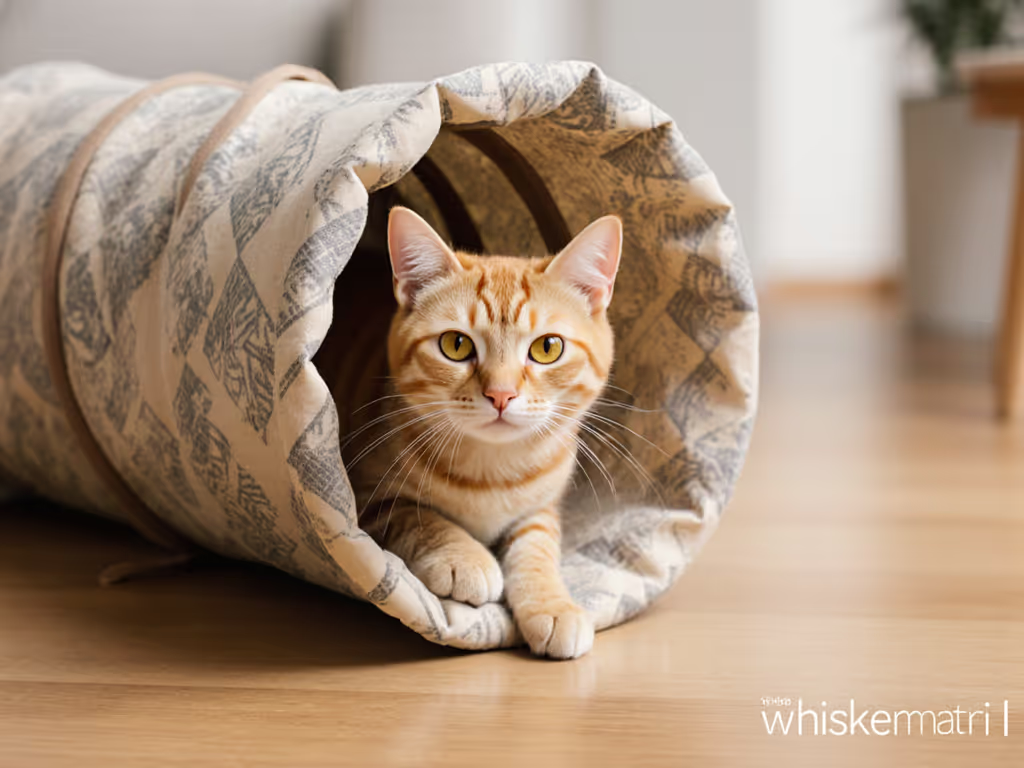
Final Thought: Your Cat's Confidence Journey
When you align cat tunnels with personality rather than aesthetics, you're not just buying a toy, you're building a bridge to confidence. My shy street cat now greets tunnel play with chirps, not fear, all because we started small and stayed consistent.
Your next step? Complete that 10-minute observational tunnel study today. Just 10 minutes could transform how you understand your cat's needs forever. Tomorrow, choose one tunnel feature that matches their personality, and begin building trust, one tiny session at a time.
Related Articles