Senior Cat Brain Health: Toys Slowing Cognitive Decline
By Hana Tanaka • 15th Dec
As your cat enters their golden years, you might notice slower movements or changed habits. This is where cognitive decline cat toys and consistent senior cat mental stimulation become your gentle allies. I've seen firsthand how small, regular play sessions can help cats maintain their spark long into their senior years. When we prioritize their brain health alongside physical care, we're not just slowing time; we're nurturing the vibrant connection that first brought us together. Today, let's explore simple, joyful ways to keep your older cat's mind engaged without overwhelming either of you.
Why Senior Cat Brain Games Matter More Than You Think
Senior cats, typically aged 11+, experience subtle cognitive changes that affect behavior and well-being. But here's the hopeful truth: feline dementia prevention isn't about complicated interventions (it is about weaving brain-boosting moments into your daily rhythm). Just as my shy former street cat learned to trust through five quiet minutes twice a day, your senior cat can rebuild confidence through play that respects their changing abilities.
Research shows that regular mental engagement:
- Slows progression of cognitive dysfunction
- Reduces anxiety and nighttime vocalization
- Strengthens the human-cat bond through positive interaction
- Encourages gentle physical movement that supports joint health
Consistency beats complexity for cats and caregivers. A two-minute daily ritual creates more impact than an occasional hour-long session.
Here are seven gentle yet effective approaches to aging cat brain health that fit seamlessly into even the busiest schedule:
7 Brain-Boosting Activities for Senior Cats
1. Puzzle Feeders for Gentle Cognitive Challenges
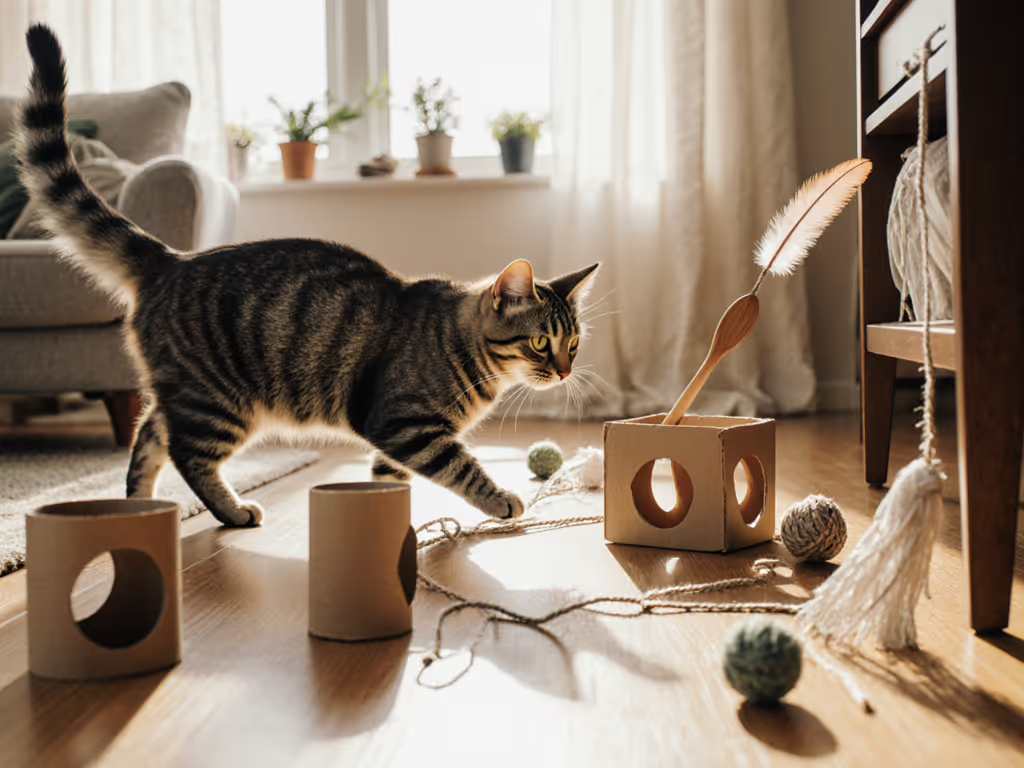
Puzzle feeders aren't just for weight management; they're brilliant tools for senior cat mental stimulation. These toys engage hunting instincts while requiring just enough problem-solving to keep aging brains sharp. For cats with limited mobility, opt for low-profile designs that don't require jumping or excessive pawing. To choose the right difficulty, use our puzzle feeder skill-level guide.
Your two-minute win:
- Start with the easiest setting (largest openings)
- Place kibble visibly inside so your cat sees the reward
- Sit quietly nearby while they explore (don't coach or intervene)
A simple puzzle feeder like the Catstages Tower of Tracks
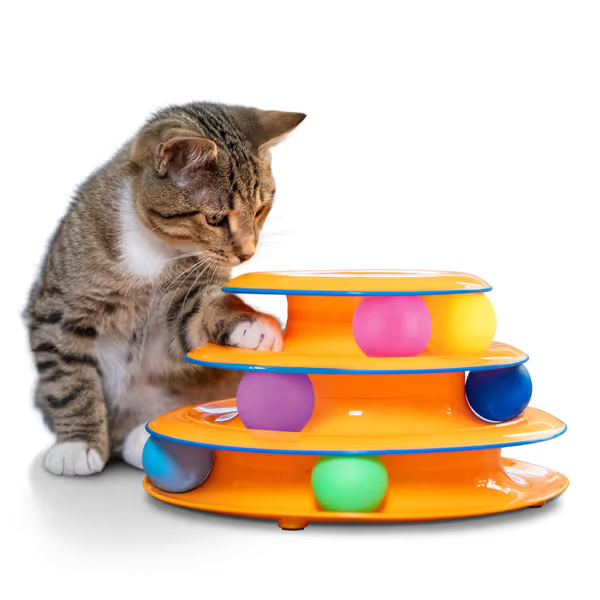
Catstages Tower of Tracks
Engages hunting instincts with multi-level chasing, batting, and mental stimulation.
$8.79
Design3-Tier with 6 Spinning Balls
Design3-Tier with 6 Spinning Balls
Pros
Durable for vigorous play, even with multiple cats.
Promotes physical activity and mental engagement.
Cons
Ball rollability can be inconsistent for some cats.
My 10 cats constantly knock it around without damage, and it's well worth the price.
My 10 cats constantly knock it around without damage, and it's well worth the price.
transforms mealtime into brain-building time without demanding extra minutes from your day.
2. Wand Play at Ground Level
Senior cats often lose the ability to jump high, but they still crave the satisfaction of "catching" prey. Adapt your wand play by keeping movements close to the ground and slower than you'd use with a kitten.
Quiet counts here: Use soft materials like fleece strips instead of noisy feathers. Focus on horizontal movements rather than vertical leaps. Remember the golden rule (prey-before-petting): always end sessions with a successful "catch" and rest, not handling. For a quick refresher on timing and movement, see our prey sequence play guide.
3. Scent-Based Treasure Hunts
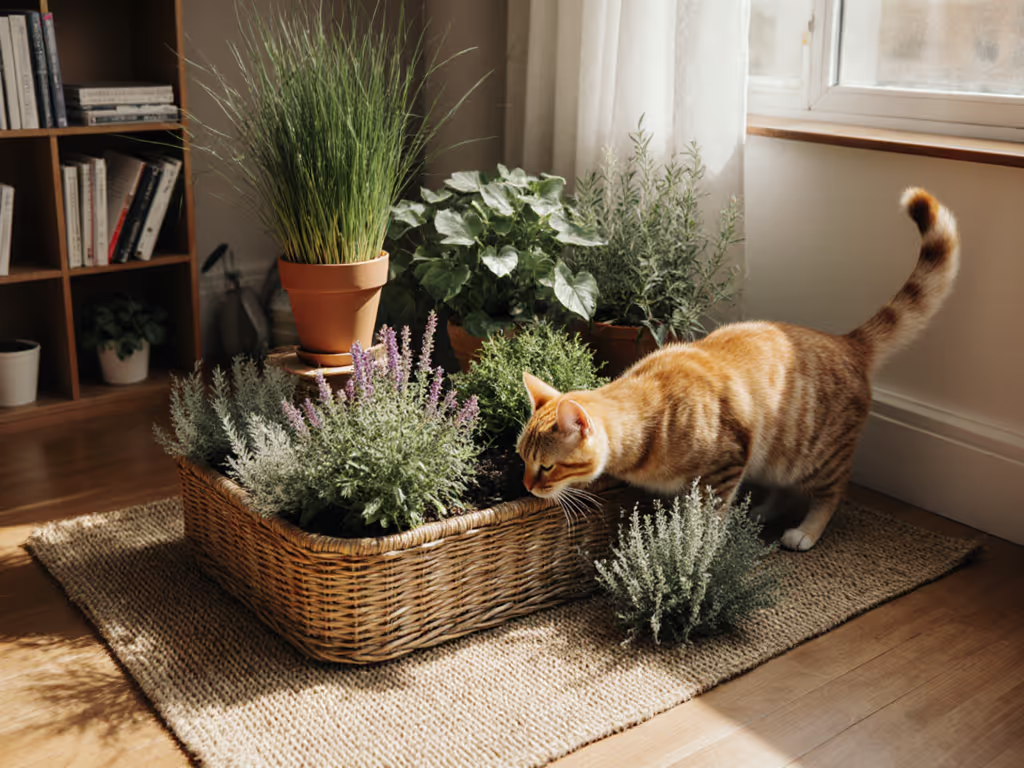
As vision and hearing decline, scent becomes increasingly important for cats. Hide small treats or catnip in accessible locations around your living space:
- Behind a sofa leg (not under the entire sofa)
- Inside a low cardboard box
- Under a partially lifted blanket edge
This low-impact game encourages natural foraging behavior while accommodating reduced mobility. To deepen scent-based play safely, explore feline olfaction enrichment. Begin with just one hiding spot per session, gradually adding more as your cat builds confidence.
4. Lick Mats for Calm Engagement
Lick mats smeared with tuna water or softened kibble provide excellent sensory stimulation that slows cognitive decline in cats. These are particularly valuable during stressful events like thunderstorms or vet visits.
Your setup checklist:
- Choose a mat that suctions to your bathtub or floor
- Use only thin layers of food to prevent frustration
- Limit sessions to 5-7 minutes (senior cats tire faster)
Five minutes daily beats any gadget in the closet when it comes to building positive neural pathways.
5. Touch-Based Exploration Stations
Set up simple sensory stations that cater to your senior cat's remaining senses:
- A basket with different textured fabrics (fleece, ribbed cotton)
- A shallow cardboard box filled with crinkly paper
- A cool mat near a sunbeam for thermoregulation
Place these stations where your cat naturally rests (no need to move far). Observe which textures or temperatures they engage with most, then focus on those. For cats with significant vision loss, these tactile experiences become essential mental anchors.
6. Strategic Toy Rotation
Novelty stimulates aging brains, but too many toys at once creates overwhelm. Implement a simple rotation system:
- Divide existing toys into 3 small groups (max 3-4 toys per group)
- Keep one group accessible for 5-7 days
- Clean and store others out of sight
- Swap groups on a consistent day (e.g., every Monday)
This approach maintains interest without requiring constant new purchases (perfect for cat enrichment in small spaces). If you need a simple plan, follow our one-week toy rotation method. For senior cats, choose toys with larger visual elements and varied textures that accommodate changing abilities.
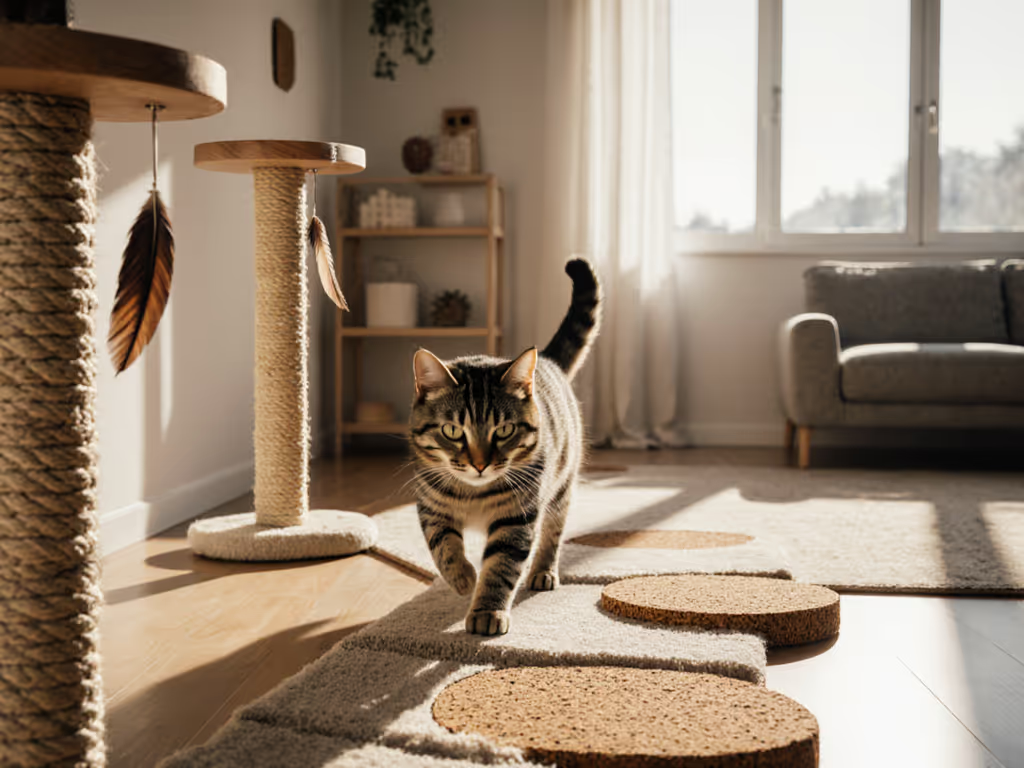
7. Gentle Self-Play Tracks
Self-play tracks positioned near your cat's favorite resting spot encourage independent movement without demanding your constant attention. Look for designs with:
- Low entry points
- Non-slip bases
- Large, slow-moving elements
Position these in your main living area so your cat encounters them naturally throughout the day. Even brief batting sessions provide stimulation that helps maintain cognitive function.
Making It Work in Your Real Life
The biggest obstacle isn't finding the right toys; it's building consistency into your routine. Try these two-minute integrations:
- Morning two-minute: While coffee brews, place a lick mat with food near your cat's resting spot
- Evening two-minute: Before dinner, hide one treat in an accessible location for a mini treasure hunt
Remember my studio apartment lesson: Gentle, consistent engagement builds trust and cognitive resilience far more effectively than sporadic, intense sessions. Your senior cat doesn't need flashy gadgets; they need your calm presence and a predictable rhythm. For age-appropriate picks, see our gentle toys for elderly cats.
Your Actionable Next Step
Tonight, choose just ONE activity from this list that feels manageable for your current schedule. Set a recurring phone reminder for the same time each day ("5-min brain boost"). For the next week, focus only on that single activity (not perfection, just presence). Track your observations in a simple notebook: what time you did it, how your cat responded, and how you felt. After seven days, you'll have a clear picture of what works for your unique situation (no guesswork required).
When we meet our senior cats where they are with quiet consistency, we're not just slowing cognitive decline; we're honoring the beautiful relationship that's grown between you, one gentle moment at a time. The most powerful cognitive decline cat toys are those used regularly, not those gathering dust in the closet. Your commitment to these small moments is already making a difference.
Related Articles