Silent Automatic Cat Toys: Engage Hearing-Impaired Cats
By Hana Tanaka • 5th Nov
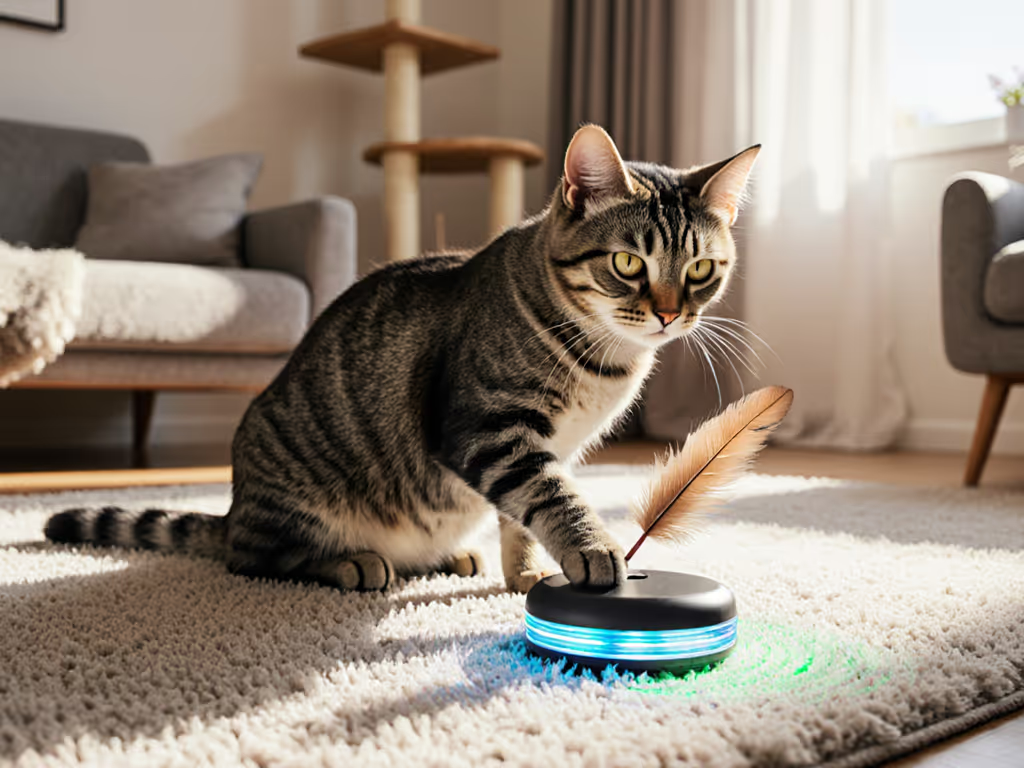
When your cat has hearing impairments, finding the automatic cat toys that truly engage them can feel overwhelming, especially when most commercial options rely on jingling bells or crinkly sounds. But here's what I've learned after years of working with shy and special-needs cats: sensory cat play doesn't require noise to be effective. In fact, some of the most meaningful connections happen in silence. Five minutes daily beats any gadget in the closet. Over time, I've seen how consistent, quiet play unlocks confidence in cats who might otherwise withdraw. Let's explore how to create gentle, effective enrichment that respects your cat's unique needs and your small-space reality.
1. Start with Your Cat's Natural Prey Preferences
Before investing in any toy, take two minutes to observe what already captures your cat's attention. Are they focused on shadows moving across walls? Do they track your fingers when you gently wiggle them? Or perhaps they're drawn to feathers floating in sunlight? This simple observation tells you which type of silent toy will work best.
Two-minute action: Create a "prey profile" checklist:
- Bird-like movements (feathers, fluttering objects)
- Rodent-like scurrying (small mice toys, rolling balls)
- Insect-like vibrations (toys with subtle movement)
Once you know your cat's preference, select automatic cat toys that mimic that specific prey motion. For example, a laser toy can create random laser patterns that appeal to cats with strong stalking instincts (no sound required). Just remember: prey-before-petting. Always end the "hunt" with something edible to satisfy their biological need.
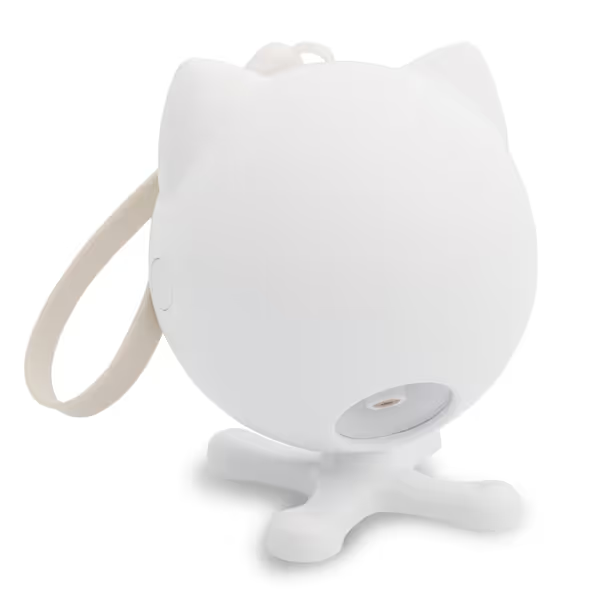
PetSafe Dancing Dot Laser Cat Toy
Engages cats with stimulating laser patterns, preventing boredom-fueled behaviors.
$23.99
4
Laser ClassClass 1 (Safe for Cats)
Laser ClassClass 1 (Safe for Cats)
Pros
Random patterns satisfy prey drive.
Hands-free modes for busy owners.
Cons
Some units experience functional issues.
Customers find the laser toy amazing and very entertaining for cats, with one mentioning it keeps their cat busy.
Customers find the laser toy amazing and very entertaining for cats, with one mentioning it keeps their cat busy.
2. Choose Visual Stimulation Toys with Minimal Footprint
Space is precious in small homes, so look for compact options that deliver maximum engagement. The best visual stimulation toys work within confined areas and don't require constant human interaction. Think vertical movement rather than horizontal sprawl. For layout and small-space setup ideas, see our guide on optimizing your cat's play environment.
Two-minute action: Transform your current space with these quiet swaps:
- Replace noisy feather wands with silent wand toys using soft fabric strips
- Mount wall-mounted track toys at cat-height near windows
- Use small LED-projecting toys that create moving patterns on walls
I've found that cats with hearing impairments often respond strongly to contrast, like black toys against light walls or bright toys on dark surfaces. This small adjustment makes play sessions more accessible without adding visual clutter to your home.
3. Create a Consistent Routine Your Schedule Can Actually Keep
Here's where most of us stumble: we buy amazing toys but struggle to use them consistently. The solution isn't more time, it's smarter integration. Instead of trying for 15-minute daily sessions that never happen, anchor play to existing routines.
Two-minute action: Build your micro-routine by answering these questions:
- When do you naturally pass by your cat's favorite spot? (Coffee morning? Evening wind-down?)
- What five minutes could you reliably dedicate without disrupting work calls or family time?
- How can you position toys where they'll catch attention during those moments?
Quiet counts more than duration. Set your automatic cat toy to run for just five minutes when you know your cat is active. In my studio apartment, I timed sessions with my shy former street cat to coincide with my morning tea ritual. This predictability built trust faster than any elaborate schedule.
4. Rotate Strategically for Maximum Engagement
Even the best sensory cat play items lose novelty quickly if left out constantly. But with limited space, you can't store dozens of toys. The solution? Create a small, curated rotation system that works within your constraints.
Two-minute action: Implement this minimalist rotation:
- Choose 3 core toys that fit your cat's prey profile
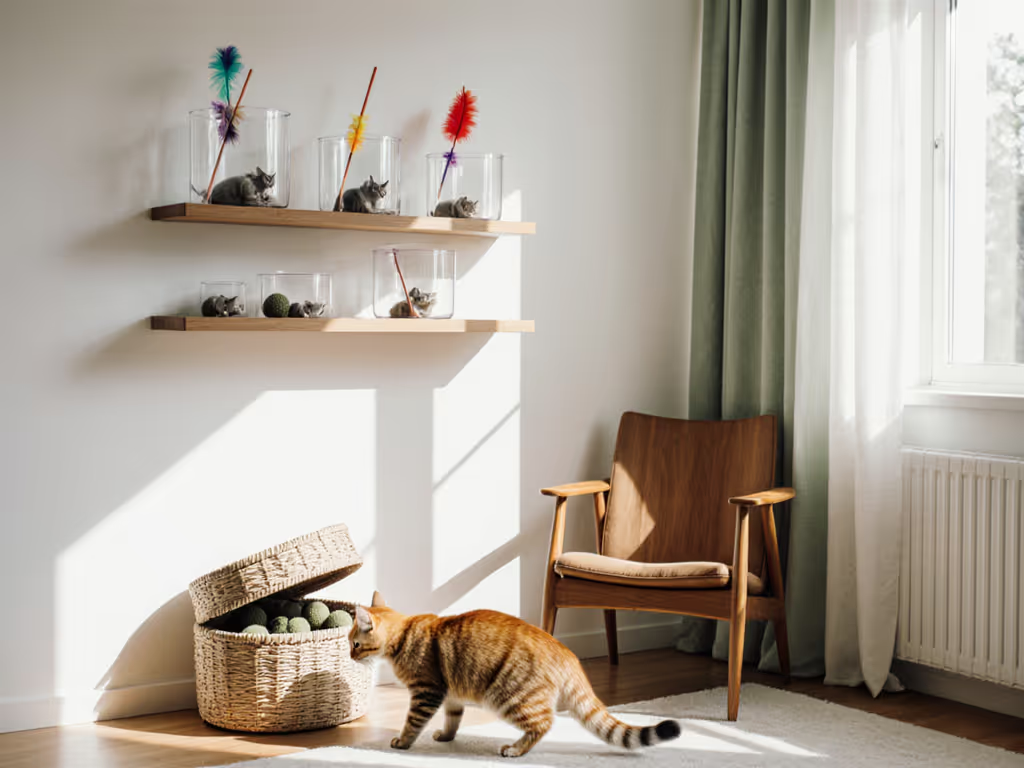
- Store two in a decorative basket under your coffee table
- Set a monthly calendar reminder to swap them out To keep novelty high without buying more, follow our toy rotation guide.
This approach maintains novelty without clutter. For motion toys for cats that work well in rotation, I've found compact track toys excel (they engage cats who enjoy chasing but can be tucked away when not in use). Remember, the goal isn't to have many toys but to have the right ones cycling through at the right time.
5. Blend Interactive and Self-Play for Real-World Schedules
Let's be honest, some days you're too tired or busy for proper play sessions. That's where thoughtful automatic cat toys become essential. The key is not just having them available, but setting them up for success.
Two-minute action: Optimize your self-play setup:
- Position motion-activated toys where your cat naturally walks
- Use timers to activate toys during their most active periods
- Place visual stimulation toys near resting spots where they'll catch attention
For cats who need more mental challenge, consider puzzle elements that don't rely on sound. A simple DIY project I use in my tiny apartment: hiding treats under small felt shapes on a mat. This provides tactile and scent-based cat enrichment that works beautifully for hearing-impaired cats.
6. Measure Success Through Behavioral Changes
How do you know if your sensory cat play efforts are working? Look beyond momentary engagement. True success shows in calmer nighttime behavior, reduced inappropriate hunting (like attacking ankles), and increased confidence.
Two-minute action: Track these subtle wins:
- Do they approach play areas more readily?
- Are nighttime zoomies decreasing?
- Do they seem calmer during household activity?
I keep a simple log on my phone noting when my cat initiates play or shows new confidence. These small markers prove that consistency, no matter how brief, is building trust. Remember, progress with shy or hearing-impaired cats often appears in what doesn't happen (like less hiding) rather than dramatic new behaviors.
7. Safety-First Setup for Peace of Mind
When your cat can't hear potential dangers, safety becomes paramount. Learn how to evaluate materials and build quality in our safe cat toy guide. Automatic toys must be designed with hearing-impaired cats in mind (secure, battery-operated, and free from small parts).
Two-minute action: Run this safety checklist:
- Are all cords hidden or eliminated?
- Does the toy stay securely in place during use?
- Can your cat easily disengage if they choose?
For confined spaces, I recommend wall-mounted or elevated options that keep play off the floor where accidents might happen. Always supervise initial use, then gradually increase independent play as your cat demonstrates understanding of the toy's boundaries.
Quiet consistency transforms both cats and caregivers. Five minutes daily beats any gadget in the closet.
Take Your Next Small Step Today
Choose just one of these seven approaches and implement it this week. Maybe it's observing your cat's prey preferences for two minutes tomorrow morning, or positioning an automatic toy where they'll naturally encounter it during their evening stretch. Your tiny action creates momentum. Post a photo of your chosen starting point in our community group with #SilentPlayStart (I'd love to cheer you on). Remember, the most powerful interactive cat toys aren't about the gadget itself, but the consistent connection they enable between you and your quiet-seeking companion.
Related Articles