
Cat-Dog Toy Harmony: Safe Shared Play for Multi-Pet Homes
By Naomi Chen • 28th Nov
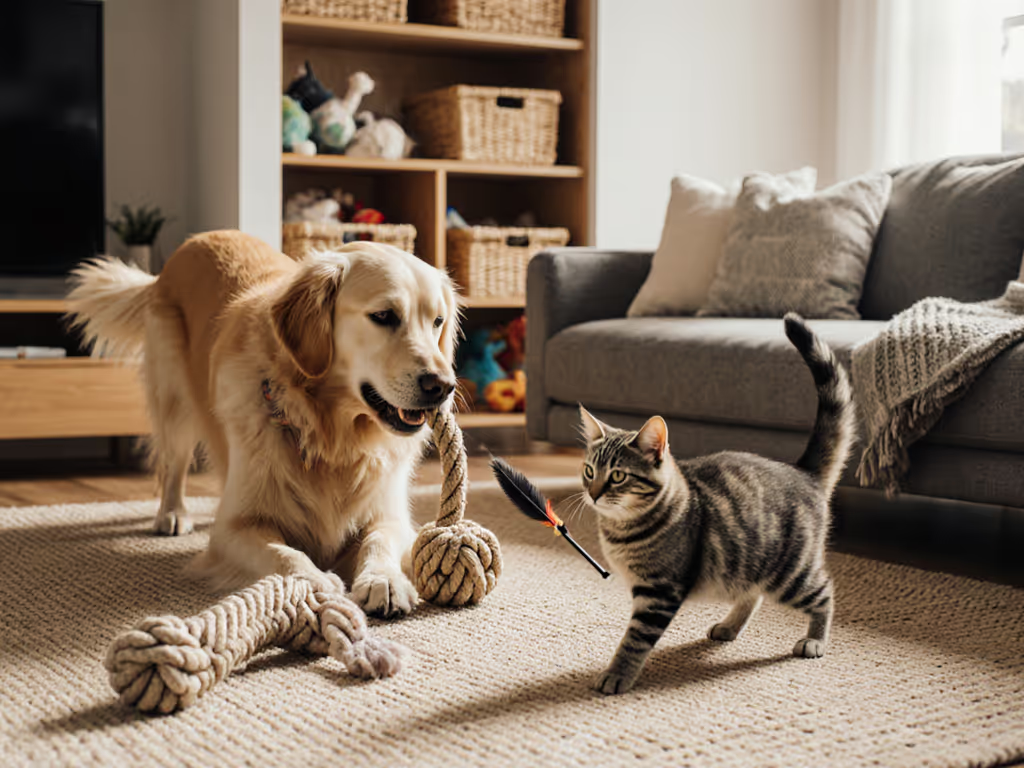
Creating peaceful play environments in homes with both cats and dogs requires thoughtful attention to cat-dog toy compatibility and multi-pet household toys. As someone who's curated enrichment spaces in tight urban apartments for years, I've discovered that safety concerns often stem from mismatched playthings rather than the pets themselves. When we downsized to our sunlit loft, I realized that the same toys causing chaos for one pet could become serene enrichment for another (when properly selected and stored). Calm rooms invite play; chaos shuts curiosity down.
5 Harmony-Building Strategies for Multi-Pet Toy Safety
1. Prioritize Material Integrity Over Novelty
When selecting toys for shared spaces, material safety outweighs momentary appeal. Both cats and dogs explore with their mouths, but their chewing styles differ dramatically. What looks like an innocuous stuffed mouse to you might become a choking hazard if your dog rips out the stuffing that your cat previously ignored. Opt for BPA-free plastics and natural rubber formulations that withstand varied chewing pressures without fragmenting into hazardous pieces.
The PetSafe SlimCat Interactive Feeder exemplifies how a single-purpose toy can serve its function without creating cross-species risks. Its solid construction eliminates loose parts while engaging your cat's hunting instincts through controlled movement (no bells, strings, or detachable components that could tempt your dog's investigative chewing). When inspecting any toy, give it the 'kneecap test': if you can't comfortably slap it against your knee without concern for damage, it's probably too hard for your pet's teeth.
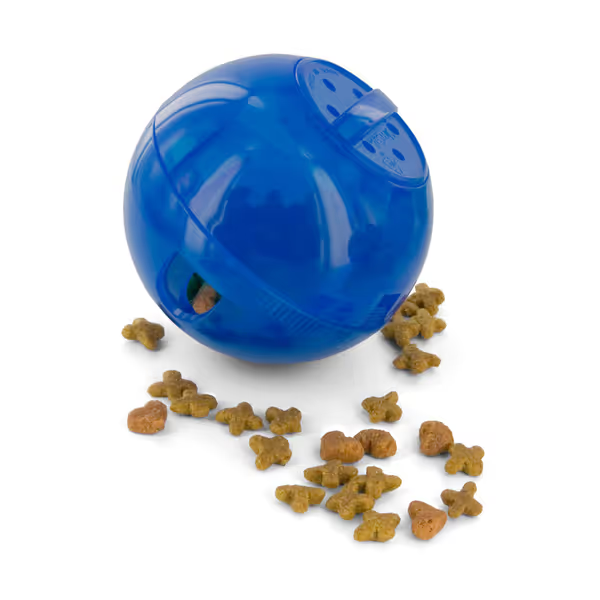
PetSafe SlimCat Interactive Feeder
Engages cats physically and mentally while slowing down mealtime.
$7.95
MaterialBPA-Free Plastic
MaterialBPA-Free Plastic
Pros
Promotes active play and healthy weight management.
Adjustable to control portion size and feeding pace.
Cons
Durability issues reported by some users.
Customers found it worth the money, highly functional, and appreciated how it kept cats entertained while slowing their eating pace. It works well with slightly bigger treats too!
Customers found it worth the money, highly functional, and appreciated how it kept cats entertained while slowing their eating pace. It works well with slightly bigger treats too!
2. Size Appropriately for Each Species
A toy safe for one pet often becomes dangerous for another simply due to size. Small cat toys, like marbles or mini plush mice, pose severe choking hazards for dogs, while many sturdy dog chews overwhelm a cat's delicate jaw structure. Consider the anatomical differences: cats need toys they can comfortably carry in their mouths during 'kills,' while dogs require items large enough to prevent accidental swallowing.
Instead of searching for 'one-size-fits-all' solutions, create species-specific zones within your shared space. Measure your pets' mouth openings and select toys at least 1.5 times larger than these measurements for cat-safe items, while ensuring dog toys are too large to swallow whole. This approach addresses the critical safety factor while acknowledging biological differences (species-specific toy design isn't just preferable, it's essential for safe toys for cat dog homes).
3. Implement Smart Storage Systems
This is where visual calm meets safety protocol. Leaving toys scattered creates both hazards and household tension. Cat toys often contain dangerous elements like bells or strings that can become linear foreign bodies when ingested by dogs. Conversely, cats investigating dog toys may encounter sharp edges or toxic materials.
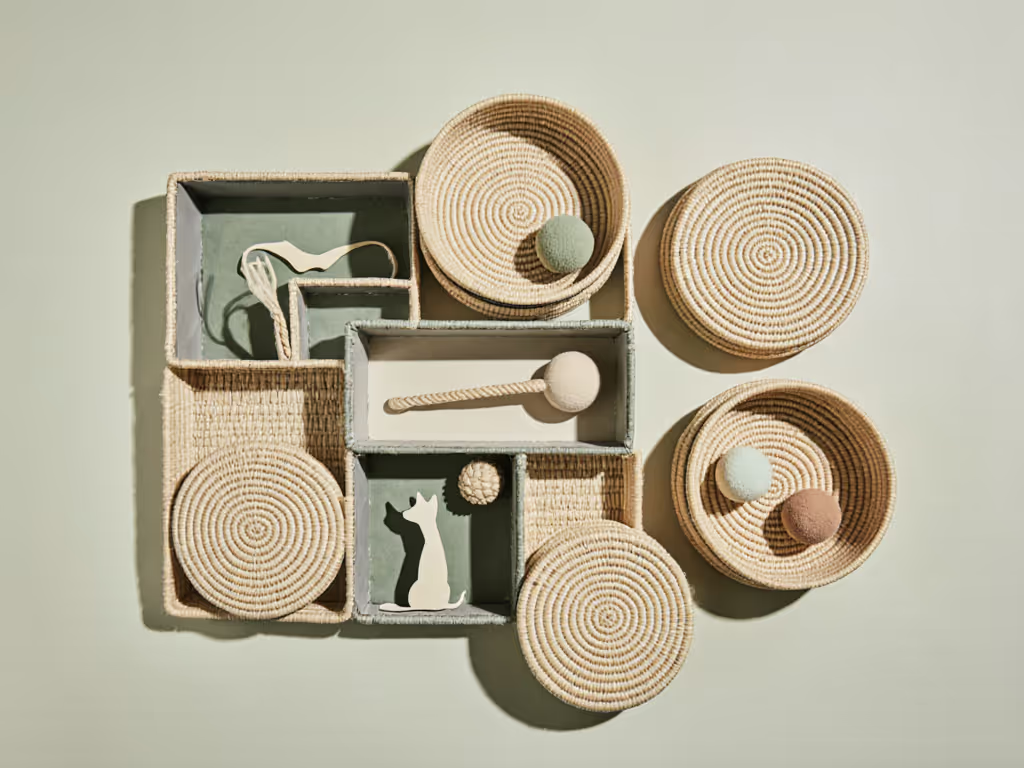
Develop a storage-forward approach that prevents toy sharing issues through thoughtful organization. Use lidded baskets with designated compartments (one for cat-specific items, like wand toys without strings attached, and another for dog-only chews). This strategy supports our fundamental principle: store in sight, not in piles. For organization layouts that keep toys visible yet contained, see our minimalist cat toy storage guide. Visible but contained toys invite use while eliminating accidental access. When I rebuilt our loft play area, this simple adjustment transformed chaotic evenings into peaceful coexistence. Each pet knew where their appropriate enrichment lived, reducing resource competition significantly.
4. Choose Quiet, Non-Distracting Play Options
Sound travels through shared spaces, creating sensory overload that disrupts both pets and humans. Jingly bells that excite your cat may trigger anxiety in sound-sensitive dogs, while noisy motorized toys can cause inter-species tension. Prioritize silent movement: soft fabric wands, felt balls, or rubber rollers that engage without auditory chaos. Our quiet cat ball picks can help you choose noise-free options that still satisfy feline chase instincts.
This mindful approach supports multi-pet enrichment strategies that honor each animal's sensory thresholds. Cats often prefer subtle movement they can stalk silently, while dogs may enjoy gentle rolling motions they can bat without frantic energy. The KONG Extreme's solid rubber construction provides satisfying engagement without noise pollution, a space-appropriate enrichment choice that won't disrupt your shared living environment.
5. Establish Clear Playtime Boundaries
Rather than hoping pets will self-regulate their toy interactions, create structured routines that minimize conflict. Dedicated play sessions for each species prevent cross-contamination of inappropriate toys while establishing predictable enrichment patterns. To structure feline sessions for maximum satisfaction, follow the prey sequence play method. Morning wand play for cats before dogs wake, followed by afternoon chew sessions for dogs when cats nap, creates harmonious rhythms that respect both species' natural cycles.
This boundary-setting approach addresses several common pain points. Noise sensitivity, space constraints, and safety concerns all diminish when you create intentional play architecture. Consider your home's footprint measurements when designing these zones. My 10'x12' living area accommodates separate 36"x36" play corners that coexist without territorial tension.
Calm rooms invite play; chaos shuts curiosity down.
Creating Lasting Harmony Through Thoughtful Choices
Balancing feline and canine enrichment needs requires neither perfect toys nor constant vigilance, just intentional choices that honor both species' biological requirements while respecting your shared living space. By implementing these multi-pet household toys strategies, you'll create safer environments where both pets thrive without compromising your home's aesthetic harmony.
The most successful multi-pet homes I've observed share one common trait: they've stopped seeking universal toys and instead embraced strategic separation with thoughtful storage. When enrichment aligns with your living space rather than fighting against it, both pets and humans enjoy calmer, more connected relationships.
Ready to explore more tailored solutions for your specific multi-pet dynamic? Consider taking a quiet inventory of your current toys against these safety benchmarks, sometimes the simplest swaps make the most profound differences in household harmony.
Related Articles